October 25, 2026
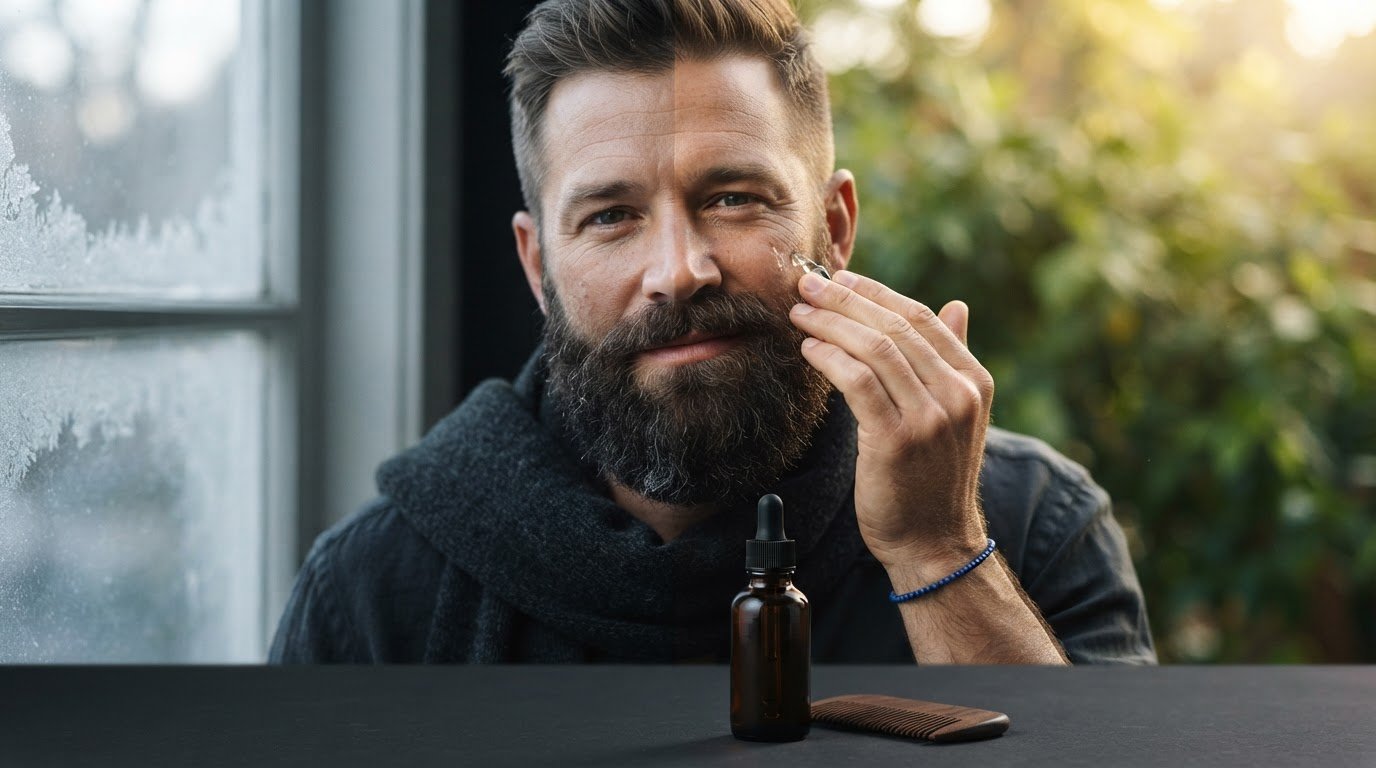
The key to beard care in winter vs summer is adapting your routine to the weather and your skin. In summer, apply beard oil once daily; in winter, applying it twice daily can help with dryness from cold, dry air. Use only as much as feels comfortable, and adjust your balance of oil, brushing, washing, and styling products as conditions change.
Winter beard itch is real: dry air can leave the skin beneath your beard uncomfortable, while summer sweat and buildup can make your face feel greasy or irritated. You don’t need the same routine all year. Adjust product weight, cleansing, and brushing to help manage dryness, itch, and breakage as the seasons change.
Key Takeaways
- Adjust oil and product weight with the weather, then fine-tune your routine based on how your beard and skin feel.
- Reduce winter itch by protecting the skin beneath your beard from dryness and harsh wind.
- Brush or comb regularly to clear debris, loosen tangles, and help distribute oil through your beard.
- Use lighter-feeling products in summer, especially when heat and sweat make your skin feel oily.
- Pair consistent care with the right tools and products to help keep your beard comfortable, manageable, and looking intentional.
1. Seasonal beard oil application frequency
A routine for beard care in winter vs summer starts with the weather and your skin. In summer, apply beard oil once daily to condition facial hair without a heavy finish. In winter, applying it twice daily can help address dryness from cold, dry air. Start with a small amount, spread it across your palms, and work it through to the skin beneath your beard.
Beard length and texture affect how much oil feels comfortable. A practical starting range is 3 to 6 drops, with longer beards generally needing more coverage. Apply oil after showering, when your beard is towel-dried but still slightly damp. If your face feels greasy, use less rather than layering on another application. Reassess your routine every couple of months, or sooner when weather and skin comfort change.
What beard oils, balms, and moisturizers work best in winter and summer? Choose lightweight jojoba oil for summer or oily skin, and consider heavier argan oil when winter dryness or flaking is an issue. In cold weather, beard balm can add moisture, help protect against wind, and control flyaways; a light facial moisturizer can also support the skin beneath facial hair.
Adjust cleansing with sweat and buildup. In summer, wash more often if sweat and grime collect beneath your beard, but avoid washing so frequently that your skin feels stripped. Beard wash every few days, or around 2 to 3 times a week, can fit a regular routine. In winter, use lukewarm rather than hot water, which can strip natural oils. Pat your beard dry, then apply conditioner or oil to keep hair manageable.
Conditioning matters more when winter air and hat friction leave facial hair dry, static, or tangled. In summer, choose lighter styling products that won’t weigh short beards or stubble down. Match fragrance to the heat, too: citrus, floral, or nautical notes can feel fresher in summer than heavier winter scents. Keep the grooming routine simple, and change one product at a time so you can judge how your hair and skin respond. Think of beard care in winter vs summer as a routine you fine-tune, not a fixed formula.
What are affordable seasonal beard-care products available in the United States? Keep the routine focused: a beard oil, a gentle beard wash, and one balm or conditioner suited to the season can cover core needs. Choosing products by use and texture helps avoid buying several items that perform the same role.
What are the risks of using too much beard oil or overwashing in each season? Excess oil can leave facial hair and skin feeling greasy, while frequent washing can strip natural oils and contribute to dryness or irritation. In summer, cleanse to remove sweat and grime; in winter, avoid harsh, hot-water washing and replace lost moisture.
2. How Does Winter Weather Cause Beard Itch?
Cold, dry winter air can leave the skin beneath facial hair feeling tight and uncomfortable. A beard may hide that dryness, while flakes and itching signal that the skin needs gentler care. Harsh wind can also roughen exposed hair, making strands feel brittle and harder to manage. Add a soothing step after washing: pat the beard dry, then moisturize the skin underneath.
Beard balm can help seal in moisture, soften rough hair, protect against winter wind, and control flyaways. Work a small amount through the beard, reaching the skin rather than coating only the outer layer. Beard oil can also condition dry facial hair and make the skin beneath it feel more comfortable. If you shave or trim in cold weather, follow with a light moisturizer or post-shave balm containing soothing ingredients such as aloe vera or chamomile.
Skip alcohol-based aftershaves in cold weather because they can dry facial skin further. Use lukewarm water during washing, and avoid scrubbing itchy areas aggressively. That simple sequence, gentle cleanse, careful drying, and moisture protection, helps keep winter grooming focused on comfort instead of adding irritation.
Should beard length or trimming habits change between winter and summer? Choose the length you can maintain comfortably: regular summer trims can keep facial hair feeling fresher in heat, while winter trims can tidy the shape and remove dead ends. A longer beard may provide warmth outdoors, but it still needs grooming.
How does sunscreen protect the skin under a beard in summer? If your beard is patchy or skin remains visible through it, apply sunscreen to exposed areas. Beard hair doesn’t fully cover every spot, so include visible skin in your outdoor routine.
In summer, choose between oil and balm by noticing how your skin feels after application. Beard oil is lighter than balm, so it can condition facial hair without adding as much weight. That may suit hot weather, oily skin, or short stubble. Balm offers more hold and structure, but can feel heavy when heat and sweat already leave your face greasy.
Keep washing aligned with the season’s conditions. Summer sweat and grime can collect beneath facial hair, so cleanse when buildup is noticeable; winter’s dry air calls for gentler washing and moisture afterward. After swimming, rinse thoroughly to remove chlorine, wash the beard, then use a softening product. For a focused cold-weather routine, try this winter beard moisture guide as you refine your grooming steps.
3. Brushing and combing out debris
Brush or comb your beard daily to remove food, dust, and other debris before it settles near the skin. Work in sections, starting near the cheeks and moving down through the chin. Use light, steady strokes rather than dragging through knots. This simple grooming step also helps you spot tangled areas that need careful attention before washing or applying oil.
Choose the tool to match your beard length. A bristle brush suits shorter beards, while a comb gives longer facial hair room to detangle without pulling as much. For example, guide a comb through the ends of a long beard first, then work gradually toward the roots. That sequence loosens snags without forcing the teeth through a tight knot.
A boar bristle brush can distribute beard oil across the hair and exfoliate the skin underneath. The summer guide recommends a stiff brush made with 100% boar’s hair for exfoliating beneath the beard. Use controlled strokes over the beard rather than pressing hard into the skin. If your face feels tender, reduce pressure and focus on gently separating the hair.
After outdoor activities, check your beard for debris and inspect the skin beneath it, especially after walking through brush or tall grass. A mirror and good lighting make it easier to see beneath dense facial hair. Remove visible leaves, lint, or grit before brushing.
Seasonal conditions can change how brushing feels. In winter, indoor heating and dry air may leave beard hair rough or static-prone, so detangle gently. In summer, sweat and sunscreen can collect around facial hair. Cleanse away buildup, apply product, then brush when the beard is slightly damp or moisturized. Brushing won’t replace washing, but it can help guide the hair and clear loose debris.
Keep your brush clean as part of your routine. After brushing, remove trapped hair and debris with your fingers or a comb. If product buildup remains on the bristles, wash the brush and let it dry fully before using it again. A clean brush helps distribute product without carrying old residue through your beard.
Use the mirror as a final check. Brush once more along the grain, then look for missed food, flakes, or knots around the mustache and jawline. Daily brushing creates a consistent chance to notice changes in texture and comfort. Keep strokes deliberate, choose a tool suited to your beard length, and adjust pressure to avoid irritating the skin.

4. Preventing winter beard dryness and breakage
Cold air outside and dry indoor heating can leave beard hair and facial skin feeling parched. Dry skin may flake beneath facial hair, while brittle strands can snag and break during brushing. Keep winter care gentle: cleanse, pat the beard dry, moisturize the skin, then apply beard oil or balm. Work the product through to the roots instead of coating only the visible outer layer.
After a shower, wait until your beard is towel-dried but still slightly damp before applying oil. Start with a few drops, then distribute them from the skin outward. Around 3 to 6 drops can suit different beard lengths, with longer beards needing broader coverage. For a dry winter beard, applying oil daily can help keep hair hydrated; adjust the amount if your face feels greasy.
Choose richer moisture when winter air leaves your beard rough or flaky. Heavier oils such as argan can suit dry skin, while beard balm helps lock in hydration, guard against harsh wind, and control flyaways. Use balm sparingly and smooth it through the beard after oil if extra hold is useful. The guide allows balm up to three times a day, though your routine should reflect your beard’s condition.
How do indoor heating and air conditioning affect beard and skin moisture? Heated or cooled indoor air can feel drying, adding to the discomfort of cold weather outside. If your skin feels tight after spending time indoors, apply moisturizer to your face and the skin beneath your beard instead of treating only the hair.
Washing technique matters. Use lukewarm water, since hot water can strip natural oils, and avoid scrubbing the skin beneath your beard. After washing, pat hair dry with a towel instead of rubbing it roughly. Conditioner can restore moisture and improve manageability, especially if a winter hat leaves your beard static-prone or frizzy. Let the beard dry before putting on a hat to reduce friction against damp hair.
Keep the routine consistent, but respond to changes. If flakes appear, combine gentle washing with facial moisturizer and beard oil; if tangles form, apply softening balm or oil before brushing. A few drops every few days can help keep a winter beard supple, while daily oil may better suit persistent dryness. Don’t forget the skin beneath the jawline and around the cheeks, where beard coverage can hide dry patches. Trim damaged ends to keep the shape neat and reduce rough, snagging tips.
5. Summer beard oil and lightweight products
Heat can increase sweating and oil production, while skin may feel greasier beneath facial hair. Keep summer grooming light: apply lightweight beard oil once daily, then check whether your skin feels comfortable. Jojoba oil can suit oily skin, and beard oil is lighter than balm. That makes it a practical choice for conditioning without the extra weight of a richer styling product.
Short beards and stubble need less product to coat their hair. Begin with a small amount, spread it between your palms, then work it evenly through the beard and onto the skin. If the finish feels greasy, reduce the amount next time. For longer facial hair or outdoor work, a midday rinse and a small additional amount of oil can help refresh your routine.
Choose lightweight styling products in hot weather, especially if heavier balm makes your beard feel coated. Fragrance can shift with the season, too. Citrus, floral, or nautical notes may feel fresher in summer than heavier winter scents, which can seem overpowering in heat. Treat fragrance as the finishing touch, not a substitute for cleansing sweat and residue.
How can you prevent summer beard odor, buildup, and irritation? Wash more often when sweat and grime collect beneath the beard, and use beard wash every few days or around 2 to 3 times a week. Rinse thoroughly after swimming to clear chlorine, then use a softening product. Clean skin and hair help remove residue that can contribute to discomfort.
Match washing to your activity rather than following a rigid schedule. After a sweaty outdoor workout, rinse your beard and check for sunscreen or dirt around the roots. If buildup remains, wash; if your beard feels clean, avoid an unnecessary cleanse that could strip natural oils. Apply product before brushing, and don’t brush completely dry, brittle hair.
Trim regularly if summer length feels difficult to maintain. A shorter style can feel easier to wash and keep fresh in hot weather, while careful trimming helps remove rough ends. Brush after cleansing to separate damp strands and distribute product evenly. If skin remains visible through a patchy beard, protect those exposed areas with sunscreen before spending time outside.
Build a lightweight summer routine around oil, cleansing, and a manageable styling step. Choose lightweight beard oil to condition facial hair without the added weight of balm, then adjust use based on sweat and skin comfort.
Wavy Beard Maven: Beard Oils
Wavy Beard Maven offers Beard Oils to support a seasonal routine for wavy facial hair. Reach for beard oil when your beard feels dry, or use a lighter application when summer heat makes heavier products uncomfortable. Pair it with Beard Butters or Beard Balms when your routine calls for additional conditioning or control, and use a Beard Brush to distribute product through the hair.
Let your skin and beard guide the adjustment: winter dryness may call for richer conditioning, while summer often suits a lighter touch. Wavy Beard Maven also provides grooming education to help you build consistent habits for maintaining wavy beard styles. Explore its beard-care offerings and guidance, or visit Wavy Beard Maven to learn more.
Make Your Next Routine Adjustment Count
Let your beard’s changing feel guide your grooming adjustments. Rather than rebuilding your routine with every weather shift, notice how your skin and facial hair respond, then change one habit at a time. For beard waves, consistency matters: apply product before brushing, use the right brush, and maintain medium beard length.
For practical tools to support that routine, Wavy Beard Maven offers Beard Oils, Beard Butters, and a Beard Brush. Choose what fits the care you’re working on, and keep your approach consistent as conditions change. A disciplined routine is built through steady attention, not guesswork. If you’d like guidance on your next step, contact Wavy Beard Maven for beard care advice and keep building a style that feels like your own.
With a little attention and the right seasonal adjustments, beard care in winter vs summer can become a confident practice you carry forward year-round.
Frequently Asked Questions
How Does Winter Weather Cause Beard Itch?
Cold, dry air can leave the skin beneath a beard uncomfortable and itchy. The beard may trap flakes and make it harder to notice dry patches, so check the skin along your cheeks and jawline. After shaving or trimming, use a light moisturizer or post-shave balm with aloe vera or chamomile. Avoid alcohol-based aftershaves in cold weather, as they can add to facial dryness.
Do Beards Keep You Warm in Winter?
A longer beard can trap warm air near your face and provide some insulation outdoors, but it isn’t a substitute for suitable winter clothing. If facial hair gets wet in extremely cold weather, dry it before heading back outside. Keep the beard groomed so longer growth stays neat rather than becoming tangled or uncomfortable.
Does Your Beard Care Routine Need to Change With the Seasons?
Yes. Beard care in winter vs summer means responding to changes in your skin, beard, and daily conditions. After a sweaty outdoor workout, cleansing may matter more than adding a styling product. During a cold, dry spell, focus on keeping your skin comfortable. Adjust one part of your routine at a time to see how your beard responds.
How Do I Stop My Winter Beard Drying Out?
Use a gentle winter routine: wash with lukewarm water, pat the beard dry, and apply moisturizer to the skin beneath it. Beard oil can condition dry hair, while balm can help manage flyaways and protect against wind. If your beard feels rough after wearing a hat, use conditioner and detangle gently. Avoid rubbing damp hair with a towel, which can increase snagging.
How Does Summer Weather Affect Your Beard and Skin?
Summer heat can make sweat and oil more noticeable beneath the beard. Sweat, sunscreen, and outdoor grime may collect near the roots, especially around the mustache and jaw. Cleanse when you notice buildup, then rinse thoroughly after swimming to remove chlorine. If facial skin shows through a patchy beard, apply sunscreen to those exposed areas before going outside.
How Does Winter Weather Affect Beard and Skin Health Compared With Summer?
Winter’s dry air can make the skin beneath a beard feel tight and facial hair rough or brittle. Summer often brings more sweat and oil, so residue and a greasy feel may become the main concerns. Adjust care to the conditions: focus on moisture during cold spells, and cleanse after sweaty or outdoor activities in warm weather.
How Does Summer Heat, Humidity, and Sweat Affect Beard Care?
Heat and humidity can make sweat and natural oils more noticeable beneath facial hair, while sunscreen or dust adds residue. After a workout or a long outdoor outing, rinse your beard and check the skin near its roots. Wash if buildup remains, then dry gently. Use a lighter application of product in hot, humid conditions, and apply it before brushing.
How Often Should You Wash Your Beard in Winter Versus Summer?
For beard care in winter vs summer, let sweat and buildup guide how often you wash. Washing 2 to 3 times a week can fit a regular routine, with an extra summer cleanse when exercise or heat leaves residue. In winter, avoid unnecessary washing and use lukewarm water. If your skin feels tight after cleansing, ease up and focus on moisturizing rather than washing again.