November 3, 2026
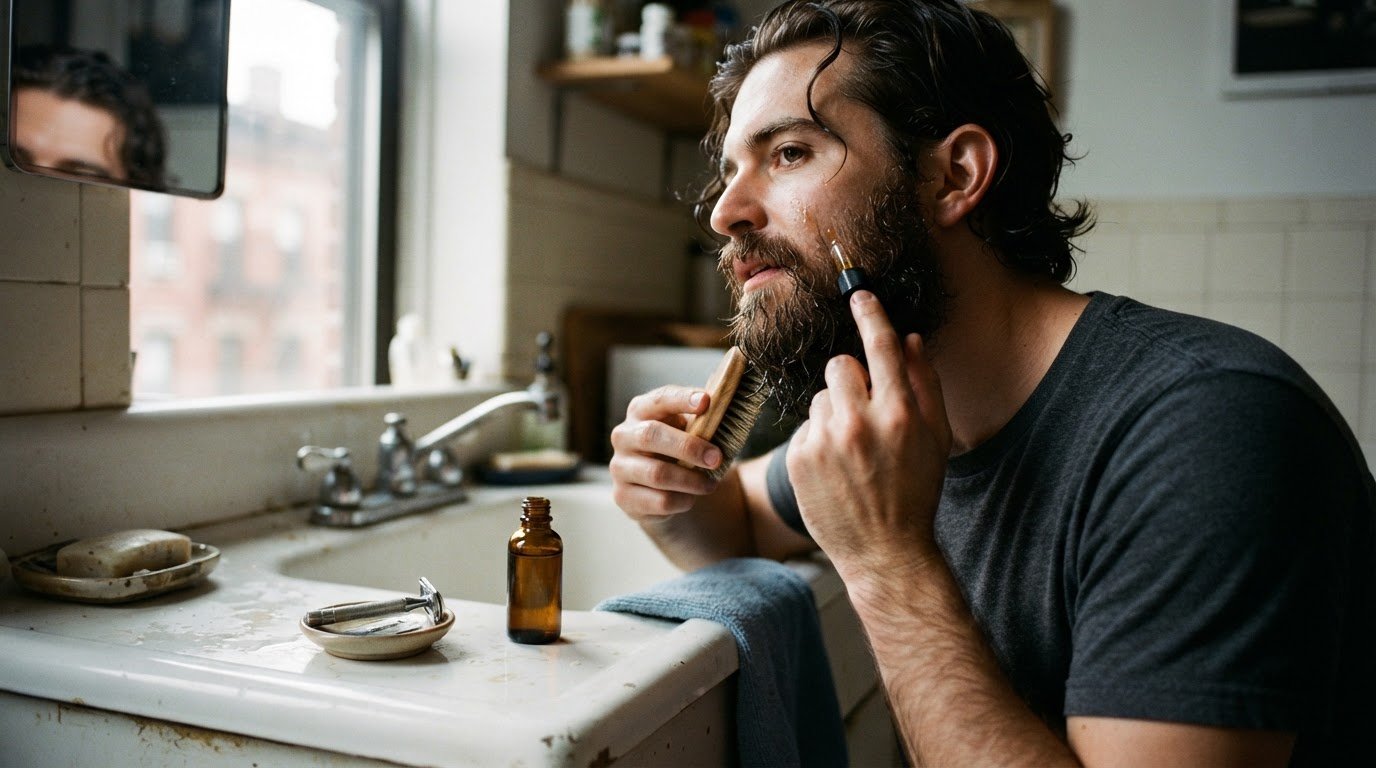
Shaving won’t make your beard grow faster or thicker; debunking beard grooming myths starts with separating appearance from growth. Most people can keep a beard clean with a consistent wash routine, generally 2-3 times a week. Trimming shapes the beard and helps manage split ends, but it doesn’t speed up growth.
It’s easy to see why these myths persist: regrowth can feel coarser, while an itchy or untidy beard may seem difficult to keep clean. But cleanliness depends on care, not shaving. Gentle washing and suitable grooming products help manage dirt, excess oil, and dryness. Aggressive brushing or harsh products, by contrast, can leave your beard uncomfortable.
This guide debunks beard grooming myths and explains what shaving changes, how to wash your beard, and which habits help it look neat. You’ll learn why a beard may itch or feel dry, and how consistent maintenance can keep it looking intentional as it grows.
Key Takeaways
- Give patchy growth time, and shape the beard to suit how hair grows across your cheeks and jaw.
- Choose beard care suited to facial hair and the skin beneath it to help avoid dryness and irritation.
- Use gentle brushing and thoughtful trimming to keep flyaways, tangles, and split ends in check.
- Build a simple, consistent routine to manage itch and beard dandruff while keeping your beard looking intentional.
Shaving and beard growth
One of the beard grooming myths debunked here is that shaving makes facial hair grow faster or thicker. Shaving cuts hair above the skin; it does not change the follicle or growth rate. Regrowth has blunt tips that can feel coarse and look darker than longer hair. That temporary texture can make stubble seem thicker, but it does not mean the hair has grown thicker.
Genetics and hormones influence facial-hair growth, while age also affects how a beard develops. Hair can grow at different rates across the face: cheek growth may lag behind jaw growth. Early patchiness may fill in over time, though genetic factors can also leave areas uneven. A beard typically takes around 2 to 3 months to start looking full, so assess its shape across growth stages instead of judging fresh stubble.
Trim to shape your beard or remove split ends, not to speed up growth. Rubbing your chin has no scientific evidence supporting it as a growth method and may irritate the skin. Washing helps keep a beard clean, but it does not change where follicles grow. Beard oil is not a way to fill gaps: it can help with dry skin and manageability, but it does not directly accelerate hair growth.
Can beard growth supplements or biotin fill in patchy areas? Supplements and biotin cannot be relied on to fill patchy spots. Genetics and hormones influence beard growth patterns, and some areas with sparse early growth may fill in over time.
Can brushing or combing damage a beard or cause hair loss? Aggressive brushing can break beard hairs, especially when you pull through knots. Use gentle strokes to detangle and shape your beard without tugging.
Focus on what grooming can change: your beard’s appearance, comfort, and shape. It cannot rewrite the factors behind growth. Notice how your beard changes over time, and trim to create the look you want rather than trying to make it grow faster.
Beard hygiene and washing
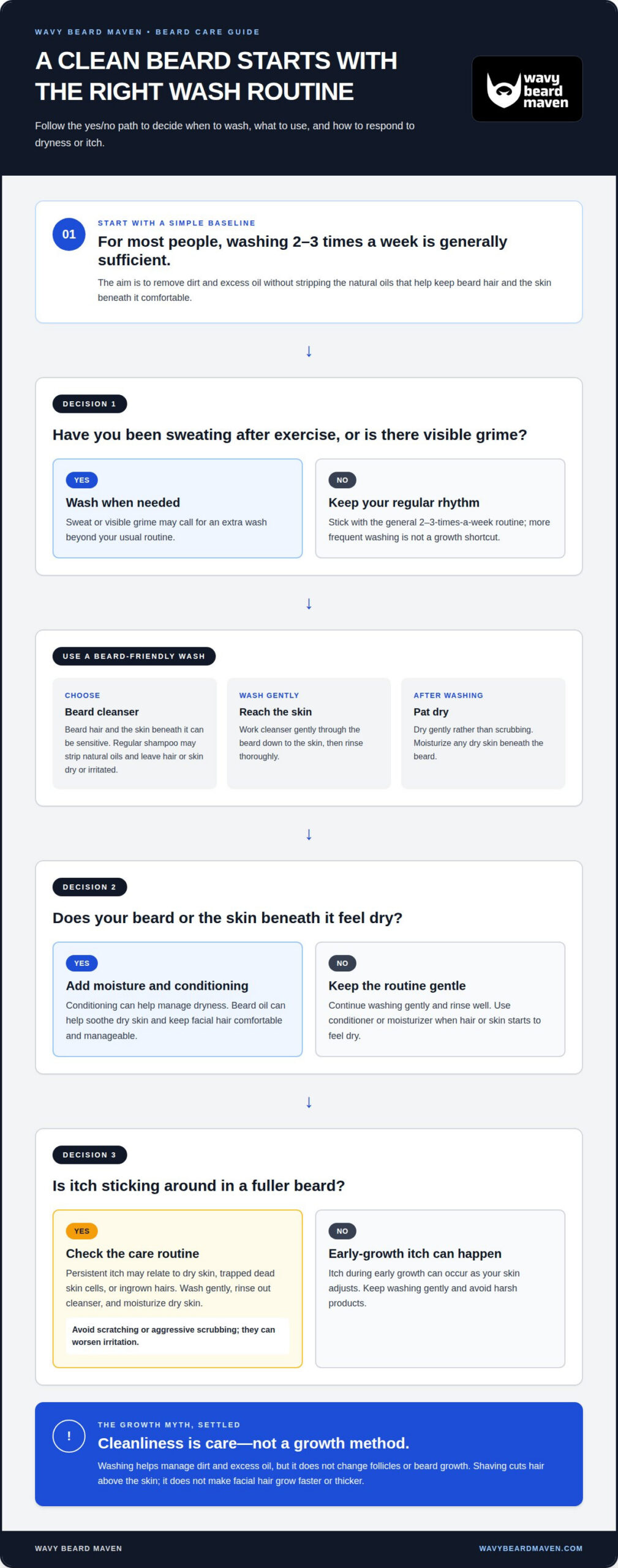
A beard can look thicker or less tidy depending on how it’s washed, but washing doesn’t change beard growth, genetics, or follicles. For most people, washing 2-3 times a week is generally sufficient to remove dirt and excess oil. Sweat after exercise or visible grime may call for an extra wash. Among the beard grooming myths debunked by this distinction is the idea that washing changes how facial hair grows.
Use a beard cleanser instead of regular shampoo. Beard hair differs from scalp hair, and the skin beneath it can be sensitive; regular shampoo may strip natural oils and leave both hair and skin dry or irritated. Gently work cleanser through your beard down to the skin, then rinse thoroughly. Conditioning can help manage dryness, and beard oil can help soothe dry skin and keep facial hair comfortable.
Itch can arise during early growth as your skin adjusts. In a fuller beard, persistent itch may be related to dry skin, trapped dead skin cells, or ingrown hairs. Avoid scratching or scrubbing aggressively, which can irritate sensitive skin. After washing, pat your beard dry and moisturize any dry skin beneath it. Consistent care can also help manage beard dandruff.
How can you prevent beard itch, dandruff, and ingrown hairs? Wash gently, rinse out cleanser, and moisturize dry skin beneath your beard. Avoid harsh products and aggressive scrubbing, which may worsen irritation. The practical lesson behind these beard grooming myths debunked: more force does not mean cleaner skin.
Keep the routine practical: wash with beard cleanser, rinse well, and condition or moisturize when hair and skin feel dry. If your beard feels stripped after regular shampoo, switch to a cleanser made for beard care. A beard washing routine can help you manage dirt and excess oil without treating a clean beard as a growth shortcut.
At-home beard maintenance
At-home maintenance helps keep your beard shaped between trims. Beard hair does not grow evenly across the cheeks and chin, so one side may look fuller. Trimming can create a more balanced appearance, but it will not promote faster growth or change the role of hormones. Treat shaping as a way to refine your beard, not as a growth technique.
Build a practical routine around three steps: wash, detangle, and shape. After washing, dry your beard gently, then brush or comb through knots without pulling. Use a trimmer to manage flyaways and frizzy sections, checking the outline from different angles. Remove only the hairs that disrupt your intended shape. A light trim can tidy uneven edges without taking length from the fuller areas.
Long beards need extra attention because length can make tangling, dryness, and split ends more likely. Work through knots gently rather than forcing a brush from root to tip. Trim damaged ends to help limit breakage, and condition your beard to keep it manageable. A longer beard may take more time to detangle and shape than a short, close-cut style.
A barber can shape your beard when you want a defined outline or a fresh reset. Between visits, use a beard trimmer for upkeep and a brush or comb to detangle and shape. This helps keep your routine consistent without relying on a barber for every flyaway. Another common beard myth is that more brushing always means better care. Aggressive brushing can break hairs, so use controlled strokes, especially around knots.
Keep the goal in mind: maintenance improves how your beard looks and feels, while genetics and hormones influence its growth pattern. Washing, trimming, and moisturizing support a well-kept appearance, but none can fill sparse areas or change your natural growth. Adjust your routine as your beard changes, and make each trim serve a specific shape instead of chasing a quick transformation.
Beard cleanliness and grooming
A common misconception is that facial hair is inherently dirty. A clean, well-groomed beard can look neat and professional; washing and grooming, not shaving, shape its appearance. Crumbs do not automatically stay trapped in a beard. Eat carefully and use a napkin, just as you would without facial hair. In hot weather, beard hair can trap sweat, so rinse and dry it after activity.
Another myth links beards with poor hygiene or health. A 2016 study found men without facial hair were more susceptible to antibiotic-resistant bacteria associated with infections than men with beards. That finding doesn’t make a beard protective or replace ordinary washing. The practical takeaway is simple: keep facial hair clean, dry it thoroughly, and don’t treat appearance as proof of someone’s hygiene.
Grooming also affects how your beard looks in a workplace. A clean, carefully maintained beard does not generally need to be shaved for an interview, unless an employer has an anti-beard policy. Keep the edges intentional, manage flyaways, and check for visible food or debris before a meeting. Style and upkeep help determine whether facial hair looks polished, mature, or deliberately casual.
What beard grooming tools and products are worth the cost in the US? Choose by the task: a beard brush helps detangle and shape, while beard oil, butter, or balm supports conditioning and manageability. Choose tools and products that suit your grooming routine; use them for beard care rather than as a guaranteed fix for patchiness.
Make cleanliness your standard, not a reason to believe common beard myths. Wash after sweat or visible mess, brush gently, and check your beard in good light before heading out. Explore beard grooming essentials to build a routine around the care your facial hair needs.
Wavy Beard Maven: Beard Oils
Wavy Beard Maven offers grooming essentials for readers ready to build a consistent routine. Beard oil can help hydrate dry skin and keep facial hair manageable, but it does not accelerate growth or fill patchy areas. Choose products to support comfort and upkeep, not as a shortcut to thicker growth.
For a simple routine, use a Beard Brush gently to detangle and shape, then apply Beard Oil when your beard or underlying skin feels dry. Beard Butters and Beard Balms are also available for your grooming toolkit. Consistent, gentle care helps you maintain the look you’re working toward, one deliberate step at a time.
Explore Wavy Beard Maven’s beard care offerings at wavybeardmaven.com.
Make Your Next Grooming Move Count
Now that you’ve seen beard grooming myths debunked, put that clarity to work: choose a routine you can maintain and adjust as your style develops. You do not need to chase someone else’s beard or force a particular pattern. Make intentional choices that suit your facial hair and the look you want.
For practical grooming essentials, Wavy Beard Maven offers beard oils, beard butters, and a beard brush. Choose products that support your routine, apply product before brushing, and avoid brushing completely dry, brittle hair. With steady, deliberate care, beard grooming can feel less like guesswork and more like a craft you own.
Ready to take the next step? Contact Wavy Beard Maven to explore the available beard-care options. Keep learning, stay consistent, and wear your beard with confidence.
Frequently Asked Questions
Does shaving make beard hair grow back thicker or faster?
No. Shaving cuts hair above the skin and does not change the follicle, growth rate, or eventual thickness. The blunt ends of short regrowth can feel rougher than the tips of longer hairs, creating the impression of thicker stubble. Freshly shaved stubble, for example, feels different from the softer tips of a longer beard, but shaving has not changed the hair itself.
Does trimming a beard make it grow faster?
No. Trimming removes the ends of hairs, so it cannot accelerate growth from the follicle. Trim to shape your outline or remove damaged ends, not to speed up growth. While your beard grows, remove only hairs that disrupt the shape you want. If you are keeping your length, do not trim simply because growth looks uneven from one area to another.
What actually affects beard growth and thickness?
Genetics, age, and hormones influence beard growth and thickness. Facial hair can develop unevenly, with cheek growth progressing differently from jaw growth; some sparse areas may fill in over time. Compare changes across your whole beard rather than judging one patch alone. If the pattern remains uneven, shaping can create a more balanced look, but grooming cannot change the factors influencing growth.
Do beard oils help beard growth or only moisturize skin and hair?
Beard oils do not directly speed hair growth or fill sparse areas. They help moisturize skin and facial hair, which can reduce dryness and improve manageability. Apply oil when your skin feels dry or your hair feels coarse, then judge it by comfort and softness. If your goal is fuller growth, oil will not change the underlying pattern.
How often should you wash and condition a beard?
For most people, washing a beard 2-3 times a week is generally sufficient; sweat or visible dirt may call for an extra wash. Regular shampoo can strip natural oils, so choose a beard cleanser. Conditioning helps manage dryness, but there isn’t one required frequency for everyone. Pay attention to how your beard and skin feel after washing, and adjust care when dryness appears.