November 14, 2026
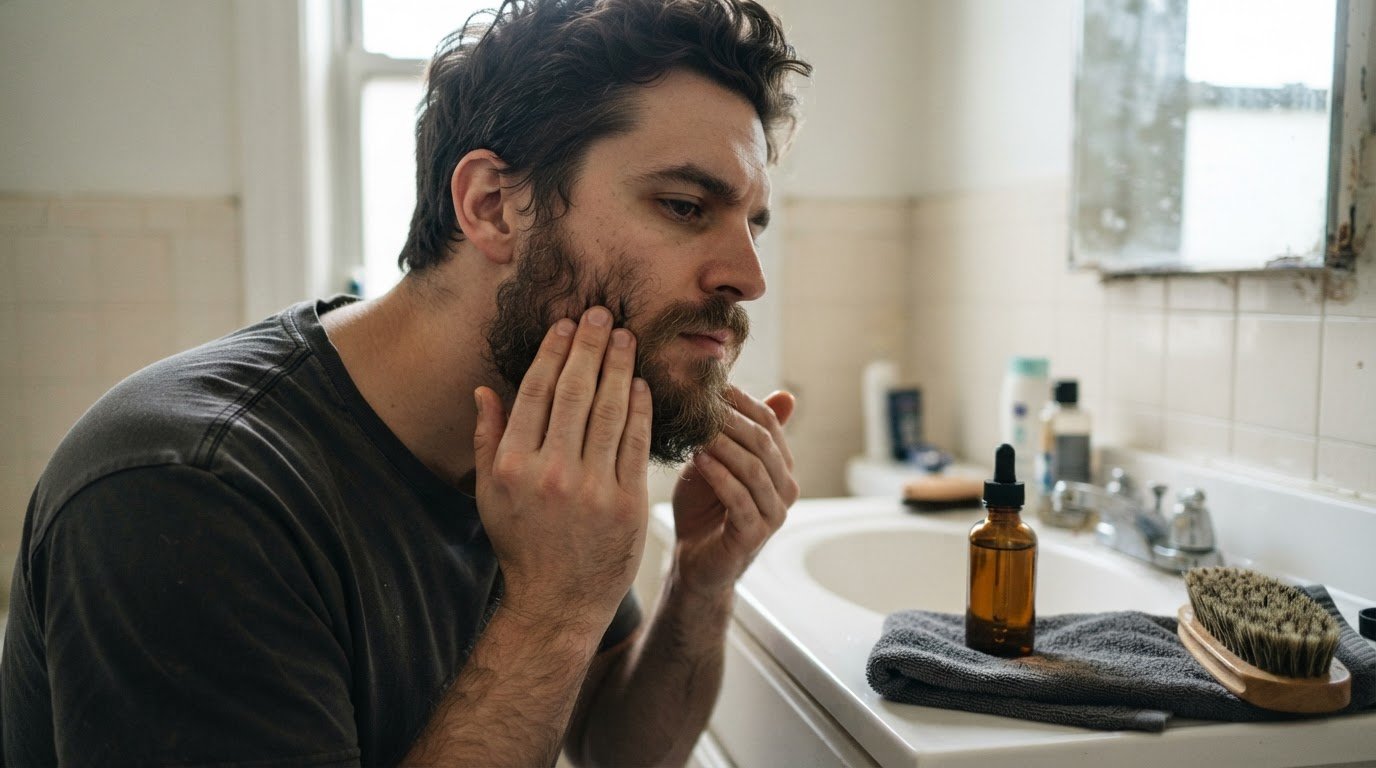
Beard oil is a conditioning tool, not a shortcut to new growth. The beard growth oils that actually work in 2026 are the ones that soften existing hair and condition the skin beneath it, helping your beard look healthier and fuller. Scent matters for daily comfort, but fragrance alone doesn’t make an oil more effective.
If you’re choosing an oil, it’s fair to want more than a good-smelling bottle. Focus on ingredients that suit your skin and beard, and use the oil consistently as part of your grooming routine.
This guide explains what beard oil can and can’t do, how to assess ingredients such as jojoba, castor, and rosemary, and how to apply oil for a thicker-looking finish. Build your routine around comfort, texture, and consistent care, not promises of overnight growth.
Key Takeaways
- Understand how beard oil can improve softness and skin comfort without promising new hair growth.
- Choose botanical ingredients based on your beard’s texture and your skin’s needs, not just growth claims.
- Use a clean, slightly damp beard as the starting point for an even oil application.
- Learn what oil can do for patchy areas, how scent fits into the choice, and what supports a fuller-looking finish.
1. Does beard oil encourage hair growth?
Beard oil can condition existing facial hair, but it doesn’t create new follicles. The clinical evidence cited for rosemary compares it with 2% minoxidil on scalp hair, not beards. That comparison doesn’t establish that beard oil causes beard growth. Genetics and hormones, including testosterone, significantly influence how facial hair grows.
Think of beard oil as care for the hair and skin you already have. A carrier oil coats coarse strands, helping them feel softer and look smoother. Massage a small amount into the skin beneath your beard to help hydrate dry, tight-feeling skin. Consistent conditioning can make a beard easier to manage, but it can’t fill naturally sparse areas on its own.
For a homemade blend, the recipe uses 2 to 4 tablespoons of carrier oil and 5 to 10 drops of essential oil. Mix them before application; never put undiluted essential oil directly on your beard or skin. If you’re new to a blend, apply a little to a small area first and watch for irritation. Stop using it if your skin reacts.
Your skin type matters. If fragrance tends to irritate your skin, choose a fragrance-free oil and keep your routine simple. For dry skin, spread a light layer over the skin beneath your beard, not just the visible hair. For coarse or wavy facial hair, work oil through the strands with your fingers so it reaches beyond the outer layer.
Use beard oil for comfort and a neater finish, not as a promise of extra growth. Genetics shape your growth pattern; oil helps maintain the beard and skin you have. Keeping those goals separate makes it easier to judge an oil by softness, manageability, and skin comfort.
2. Castor oil, rosemary extract, jojoba, and other botanical ingredients
Jojoba and argan oil are useful carrier ingredients for softness and skin comfort beneath the beard. They can support hydration without leaving the same heavy feel as richer oils. Castor oil is thicker, so a beard-oil blend commonly keeps it around 10 to 15 percent. That gives it a supporting role while lighter carriers make application easier. Cold-pressed argan oil contains 620 to 790 mg of tocopherols per kilogram, a naturally occurring form of vitamin E.
Rosemary needs careful interpretation. A 2015 SKINmed study compared rosemary with 2% minoxidil for scalp hair, not beard growth. Minoxidil showed better results at three months, while rosemary had caught up by six months. Those findings don’t establish that rosemary oil grows beard hair. Rosemary and cedarwood essential oils are recommended at no more than 1 to 2 percent each of a blend. Keep essential oils diluted, and choose a simpler formula if fragrance tends to irritate your skin.
For early beard itch, a blend featuring jojoba and tea tree oil may suit some routines. Tea tree is an essential oil, so pay attention to skin comfort rather than a strong scent or a long ingredient list. When comparing Beard Water, read its ingredient label: the name alone doesn’t identify its oils or explain its formula. A higher price also doesn’t prove a product will increase growth, so consider the ingredients and intended use first.
For US shoppers, assess botanical oils by their listed ingredient names and intended roles. Distinguish carrier oils, such as jojoba, from concentrated essential oils, such as rosemary. Check whether the directions explain how to apply the product, and look for a formula that suits your skin and beard texture. These steps make ingredient comparisons more practical without treating a “growth” claim as evidence. For beard health, consider lighter jojoba or argan for softness, and a restrained amount of castor for a richer feel. Build your routine around comfortable application.

3. Can beard oil fix patchy spots?
Beard oil can’t fill a bare patch with new hair. It can soften nearby facial hair and help it sit more neatly, making the overall shape look more even. The distinction matters: oil improves the appearance and feel of existing hair, while coverage depends on your natural growth pattern. Use it to condition the beard you have, not as a spot treatment promising new growth.
Apply beard oil after a warm shower, when your face and beard are clean. Leave your beard damp, not drenched, so the oil spreads without running off. If you wash your face separately, aim for the same slightly damp finish. Put three to five drops in your palms, rub them together, then work the oil through your beard and into the skin beneath.
For a patchy area, don’t keep adding oil until your skin looks shiny. Gently massage the amount already on your hands across the exposed skin and surrounding hair. Then guide longer hairs over the area with your fingers, without pulling or pressing them flat. This helps the beard look more orderly while avoiding a heavy, greasy finish.
Make the application once a day part of a consistent routine. Beard growth oil may need 8 to 12 weeks of regular use before visible changes in thickness or patchiness are expected. During that period, track the same area in similar lighting rather than judging it after each application. Oil can improve softness and manageability along the way, even if coverage itself doesn’t change.
Shape also affects how full a beard looks. Keep the outline tidy, and avoid trimming surrounding hairs too short while the thinner area grows. A light application can help longer strands lie together, while too much oil may separate them and expose more skin. Groom patiently, and assess the result by texture, comfort, and overall balance.
4. Beard oils marketed to support thicker-looking growth
“Thicker-looking” usually describes a finish, not new hair growth. Conditioning can soften coarse strands and help them sit together, giving the beard look more even. Judge an oil by the feel and manageability it delivers, not by a label promising to fill bare spots. Consistent use for 8 to 12 weeks is the suggested window before expecting visible changes in thickness or patchiness.
Beard oil and minoxidil don’t have equal evidence for beard growth. The 2015 SKINmed study compared rosemary with 2% minoxidil on scalp hair, not facial hair. Minoxidil showed better results at three months, while rosemary had caught up by six months; the study doesn’t prove either treatment grows beards.
Read growth claims carefully. An oil that moisturizes skin and improves softness can support beard care, but those effects aren’t proof of increased density. Look for a clear ingredient list and directions, and be wary of claims that promise new growth or a fixed result. Essential oils should be diluted; rosemary and cedarwood are recommended at no more than 1 to 2 percent each of the blend. Never apply an essential oil undiluted.
Match the formula to your goal. For a smoother beard, a lighter carrier oil such as jojoba or argan may suit daily conditioning. If fragrance bothers your skin, choose a fragrance-free option rather than treating scent as a sign of quality. Wash gently and consistently, then apply oil to a clean beard so residue doesn’t affect the finish.
Give the routine time, but assess what oil can realistically change. Beard density may shift after three or four months of consistent use, while genetics still shape the growth pattern. Compare the same area in similar lighting, and note softness, texture, and skin comfort alongside appearance. For a practical routine that supports a more polished finish, build consistent beard-care habits.
Wavy Beard Maven: Beard Oils
Wavy Beard Maven offers beard oils to condition facial hair and support a consistent grooming routine. Use beard oil when you want to soften coarse strands and care for the skin beneath your beard, rather than expecting it to create new growth.
Build your routine around the finish you want: use beard oil for conditioning, beard butter or balm for added grooming support, and a beard brush to distribute product through your beard. Choose what suits your texture and daily habits, then apply it comfortably and consistently.
For practical guidance on maintaining a wavy beard, explore Wavy Beard Maven’s grooming resources and beard-care products. For help choosing a routine or product, contact Wavy Beard Maven.
Make Your Next Beard-Care Move Count
Choose a routine you can maintain. Start with one goal, such as improving your beard’s shape, making daily grooming easier, or keeping your skin comfortable. Stick with a simple approach long enough to judge how it fits your habits and the finish you want.
The best beard growth oils that actually work in 2026 are not defined by dramatic promises. They earn a place in your routine when they suit your skin, feel good in your beard, and support the look you’re building. Keep your expectations grounded, pay attention to comfort, and refine your grooming practice as your beard changes.
If you’re ready to choose your next step, contact Wavy Beard Maven to discuss your beard-care needs. Stay consistent, trust your process, and keep shaping a beard that feels like your own.
Frequently Asked Questions
Does Scent Matter for Beard Oil?
Scent matters for comfort, but it doesn’t determine how well an oil conditions your beard. Choose a fragrance you enjoy, or go fragrance-free if scented grooming products tend to bother your skin. For example, if you wear cologne daily, an unscented oil may help avoid competing aromas. Focus on the formula’s feel and how your skin responds.
Can beard oil fix patchy spots?
No, beard oil can’t create hair where facial hair isn’t growing. It can help surrounding strands lie more smoothly, making the patch less noticeable. For example, use a small amount to condition longer hairs around the area, then shape them gently with your fingers. If you want to improve coverage visually, avoid repeatedly trimming nearby growth short.
Does beard oil encourage hair growth?
Beard oil supports conditioning and skin comfort; it isn’t a proven beard-growth treatment. Its practical role is to help existing facial hair feel softer and easier to manage. If you want a healthier-looking finish, assess changes in texture and grooming ease. A pleasant scent, rich feel, or “growth” label isn’t evidence that new hairs are forming.
Is there a difference between beard oil and beard growth oil?
These names often describe how a product is marketed, not proof of different effects. Beard oil typically focuses on conditioning hair and skin; “beard growth oil” suggests a benefit that the label alone can’t establish. Compare the ingredient list, scent, and directions instead. A familiar carrier oil can support softness, but that doesn’t show it changes how follicles produce hair.
Is this a good gift for a man growing his beard?
Beard care can make a useful gift when it suits his routine and preferences. Beard oil is a straightforward choice for someone who wants to condition facial hair, and a brush can complement his grooming habits. Wavy Beard Maven offers beard oils, beard butters, and a beard brush. If you’re unsure what he prefers, choose a simple grooming item he can use regularly.
What Does Beard Growth Oil Actually Do at the Follicle Level?
Beard oil mainly works on the hair shaft and the surrounding skin; it doesn’t switch follicles into a new growth pattern. Hair forms in the follicle, while oil applied to the surface conditions existing strands and helps with dry-feeling skin. This can improve comfort and appearance, but it doesn’t mean the oil has changed follicle activity or created additional follicles.