October 30, 2026
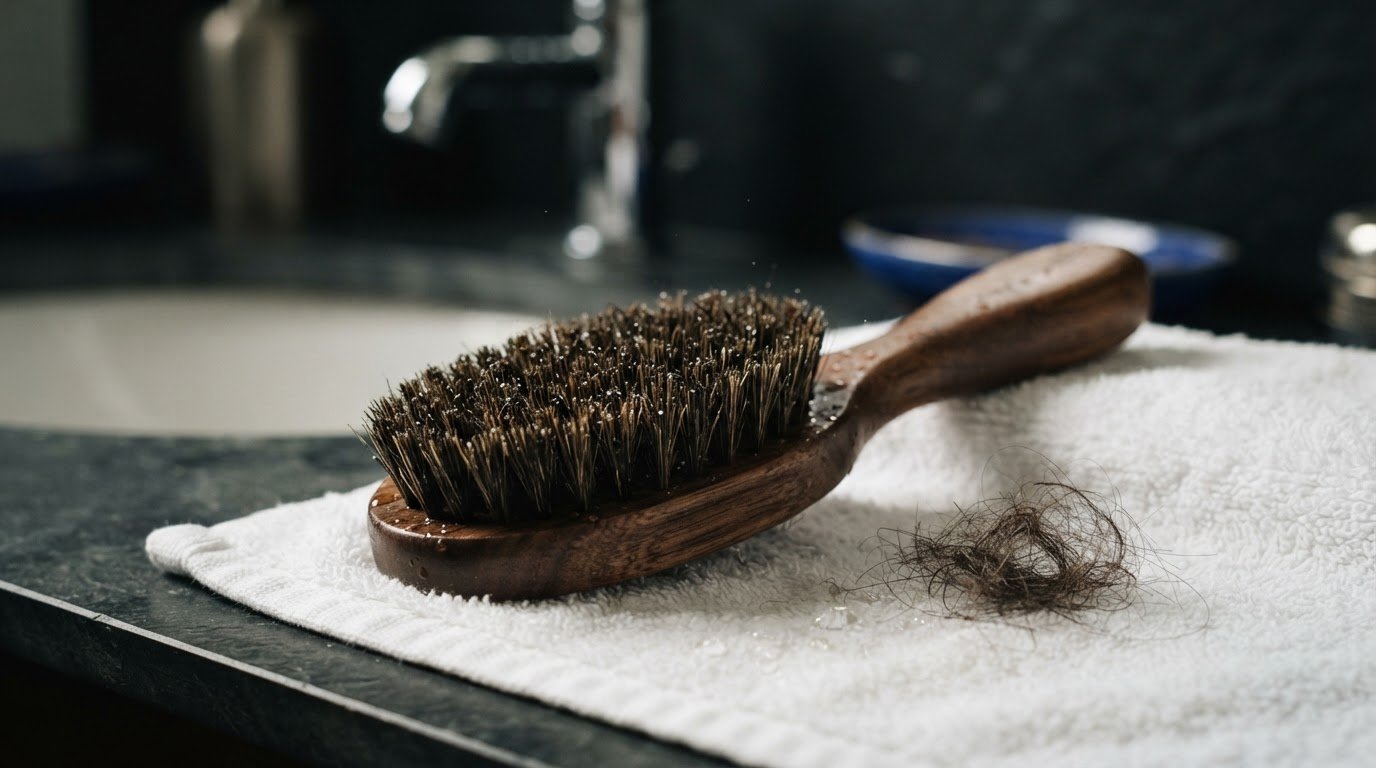
A simple cleaning routine helps keep a beard brush ready for regular use. Clean it monthly, remove trapped hair and debris, and let it dry bristles-down at room temperature. To learn how to clean a boar bristle beard brush, handle it gently and never leave it soaking in water.
It’s easy to focus on brushing technique and overlook what collects between the bristles. Regular cleaning removes loose hair and residue, helping your brush stay ready for the next pass through your beard. Keep the routine simple: consistency and careful drying matter most.
This guide explains when to clean your brush, how to remove trapped hair and dirt, and how to wash the bristles without soaking the handle. You’ll also learn how to position it bristles-down to dry at room temperature, allowing moisture to drain away. Follow the steps in order and make brush care part of your grooming routine.
Key Takeaways
- Make brush cleaning a monthly routine, and adjust sooner when you notice visible buildup.
- Lift trapped hairs and debris from the bristles before washing so you can clean them more thoroughly.
- Wash gently, avoid soaking the handle, then leave the brush bristles-down to air-dry at room temperature.
- A clean brush supports a more orderly grooming routine; beard oils can complement care once your brush is dry.
Drying the brush bristles-down at room temperature
- After rinsing, shake excess water from the brush. Hold it over the sink and flick it gently, keeping a secure grip on the handle. Don’t snap the brush or strike it against the basin. Removing loose droplets helps limit water collecting where the bristles meet the base.
- Place the brush bristles-down on a clean, dry towel in a room-temperature space. Keep the handle raised so the bristles aren’t pressed flat against the towel. According to The Beard Club, drying a brush bristles-down and wood-up helps water drain away.
- Let the brush air-dry completely before using or oiling it. The Beard Club recommends leaving a cleaned brush in a room-temperature space for a day before oiling. Keep it away from direct heat, and don’t store it in a drawer while it’s damp.
- If the bristles remain clumped, comb them gently with a wide-spaced comb. Work from the tips toward the roots, using light strokes instead of pulling through knots. One suggested routine is to comb gently after use and leave the brush to dry overnight, giving moisture time to escape.
- Keep the wooden handle out of standing water during cleaning and drying. The Beard Club advises against soaking a wooden beard brush because wood can absorb water. Rest the brush across a dry towel instead of leaving it in a sink or bowl.
- Apply oil only after the brush has dried. The Beard Club recommends oiling the brush, including the bristles down to their roots. Use a small amount and work it through gently, avoiding excess that could leave the bristles greasy. Let the brush rest in a dry place before storing it.
How Often Should You Clean a Beard Brush?
For a deep clean, remove trapped hair, wash the bristles with mild soap or shampoo, rinse carefully, and dry the brush completely. Washing with soap removes buildup, but it does not mean the brush has been disinfected. If the handle is wooden, keep water on the bristles and don’t soak the brush.
- Make monthly cleaning part of your routine. A monthly wash helps remove accumulated oil, product, and loose debris. Clean the brush sooner if the bristles look coated or feel tacky. Recommendations vary: some suggest washing twice a year, while others advise twice a month.
- Remove loose hairs from the bristles before adding water. Use your fingers or a comb, working gently to avoid tugging at the bristle roots. Clearing the hair first makes it easier for mild soap or shampoo to reach the spaces where residue collects.
- Wet the bristles with lukewarm water, then add a small amount of mild soap or shampoo. Work the cleanser through the bristles with your fingertips. Don’t press hard against the base, and keep the wooden handle out of the water.
- For extra buildup, use clarifying shampoo sparingly on the bristles. Massage it through gently, then rinse until the water runs clear. A contributor suggested clarifying shampoo for a vintage brush, but don’t soak a wooden-handled beard brush to copy that method.
- Rinse without submerging the brush, then remove excess water with a clean towel. Let it air-dry completely before putting it away. Don’t use bleach or household disinfectant as a shortcut; instead, keep the brush personal and clean it with a gentle wash. If you’re choosing a brush for your routine, explore beard brush care alongside your regular grooming habits.

Removing trapped hairs and dirt
- Work over a sink or towel to keep loose hairs from scattering. Hold the brush with the bristles facing up, then inspect the surface and edges. Look for strands wrapped around bristle clusters, lint caught near the base, and visible product residue.
- Use your fingertips to lift out hairs you can reach easily. Gently pull each strand in the direction it lies rather than yanking upward. A slow release helps prevent bent bristles or tugging at their roots, especially when several hairs are tangled together.
- For hair caught deeper in the bristles, guide a wide-spaced comb through the brush. Start at the outer tips and move toward the base with short, light strokes. If the comb catches, stop and free the snag with your fingers rather than forcing it through.
- Check the brush from several directions. Turn it sideways and look between the bristle rows, where beard hair and lint can hide. Gently comb each section until the loose strands lift out. Don’t scrape the base with a sharp tool.
- Remove dry debris before washing. Tap the brush lightly over a towel, then use your fingers to pick away loosened dust or flakes. This separates removable material from residue that needs water and cleanser, making the washing step easier to manage.
- Inspect the bristle roots before wetting the brush. If strands remain trapped, repeat the comb-and-lift process in that area. Keep the wooden handle dry during preparation, and don’t twist the bristles as you work through a stubborn knot.
Benefits of a clean beard brush
- Start with clean bristles before brushing a freshly washed beard. A brush holding loose hairs, lint, or product residue can carry that material back through your beard. Removing buildup gives each grooming session a cleaner start instead of spreading old debris through freshly washed hair.
- Notice how the bristles move through your beard after cleaning. Trapped hairs and residue can clog the rows, especially near the base. Once those obstructions are cleared, the brush can pass through more freely. Use gentle strokes and pause if you meet a snag.
- Pay attention to how product spreads during your next grooming session. Residue between the bristles may mix with fresh beard oil or balm as you brush. A clean brush helps keep old buildup from mixing with newly applied product. Apply product sparingly, then brush through your beard in sections.
- A clean brush makes new buildup easier to spot. After washing and drying it, inspect the bristle roots before putting it away. Clear bristle rows provide a useful baseline for noticing new lint, loose hairs, or residue during regular care.
- Keep your grooming tools ready by storing the brush only when it’s completely dry. A clean but damp brush can collect dust or transfer moisture to the surface it rests on. Leave it in a dry place after cleaning, then check the bristles before your next beard-care session.
- Make brush care part of a consistent routine rather than waiting for visible buildup. For example, remove loose hairs after brushing and schedule a wash as part of monthly maintenance. That simple sequence keeps the tool prepared for daily grooming. Refine your beard-care routine with a consistent approach to grooming and brush maintenance.
Wavy Beard Maven: Beard Oils
After caring for your brush, Wavy Beard Maven’s beard oils can complement a consistent grooming routine. Pair your clean, dry brush with beard-care products such as beard oils, butters, and balms. Choose what suits your grooming preferences, apply it as directed, and brush as part of your regular beard maintenance. A clean brush helps keep old residue from mixing with fresh product. Keep your routine simple: care for your brush, use your chosen beard product, and maintain your style with steady attention. Visit wavybeardmaven.com to explore beard oils and continue refining your beard-care routine.
Make brush care part of your grooming rhythm
Let brush care become a small ritual that supports the style you’re building. A dependable routine isn’t only about the moments in front of the mirror; it also includes looking after the tools you reach for. Learning how to clean a boar bristle beard brush gives you a practical foundation, then regular attention helps keep that habit in place. As your grooming preferences evolve, choose tools and products that fit your approach rather than adding steps without purpose. Wavy Beard Maven offers a Beard Brush for men building a considered beard-care routine. For guidance on choosing offerings that fit your grooming goals, contact Wavy Beard Maven today. Keep showing up for the details, and let each deliberate choice strengthen your confidence and personal style.
Frequently Asked Questions
How often should you clean a boar bristle beard brush?
Use monthly cleaning as a baseline, and wash the brush sooner if you see residue between the bristles. Product use, visible buildup, and brushing frequency all affect when the brush needs attention. For example, if balm coats the bristle roots before your monthly cleaning, remove the buildup and wash the brush rather than waiting for the calendar.
How do you remove beard hair and debris from a boar bristle brush?
Use your fingers or a wide-spaced comb to remove loose material before washing. Work across a small area at a time, and free any snag by hand instead of pulling harder. Check the bristle roots from the side, where lint and short beard hairs can be hard to spot from above.
What supplies are safe for cleaning a boar bristle beard brush?
Gather a wide-spaced comb, lukewarm water, mild soap or shampoo, and a clean towel. These supplies remove loose hair and wash away ordinary grooming residue without a complicated setup. To learn how to clean a boar bristle beard brush, have everything ready so you can clean and rinse the bristles without leaving the wooden handle in water.
Can you wash a boar bristle beard brush with shampoo or soap?
Yes. Mild soap or shampoo can clean the bristles; gently work a small amount through them with your fingertips. If product residue remains, you can use clarifying shampoo on the bristles. Rinse carefully, and avoid pressing cleanser into the handle or scrubbing hard enough to bend the bristles.
How do you dry a boar bristle beard brush without damaging it?
After rinsing, gently remove excess water with a towel and position the brush so water can drain from the bristles. Leave it in a room-temperature space, away from direct heat. Before storing it, check the base and bristle roots for any remaining dampness; putting the brush away wet can trap moisture against the handle.
Can you soak a boar bristle beard brush in water?
Avoid soaking the brush, especially if it has a wooden handle. Wood can absorb water, so rinse the bristles carefully instead of leaving the brush in a bowl or sink. Keep the handle above the water while cleaning, remove excess moisture promptly, and let the brush dry completely before storing it.