October 4, 2026
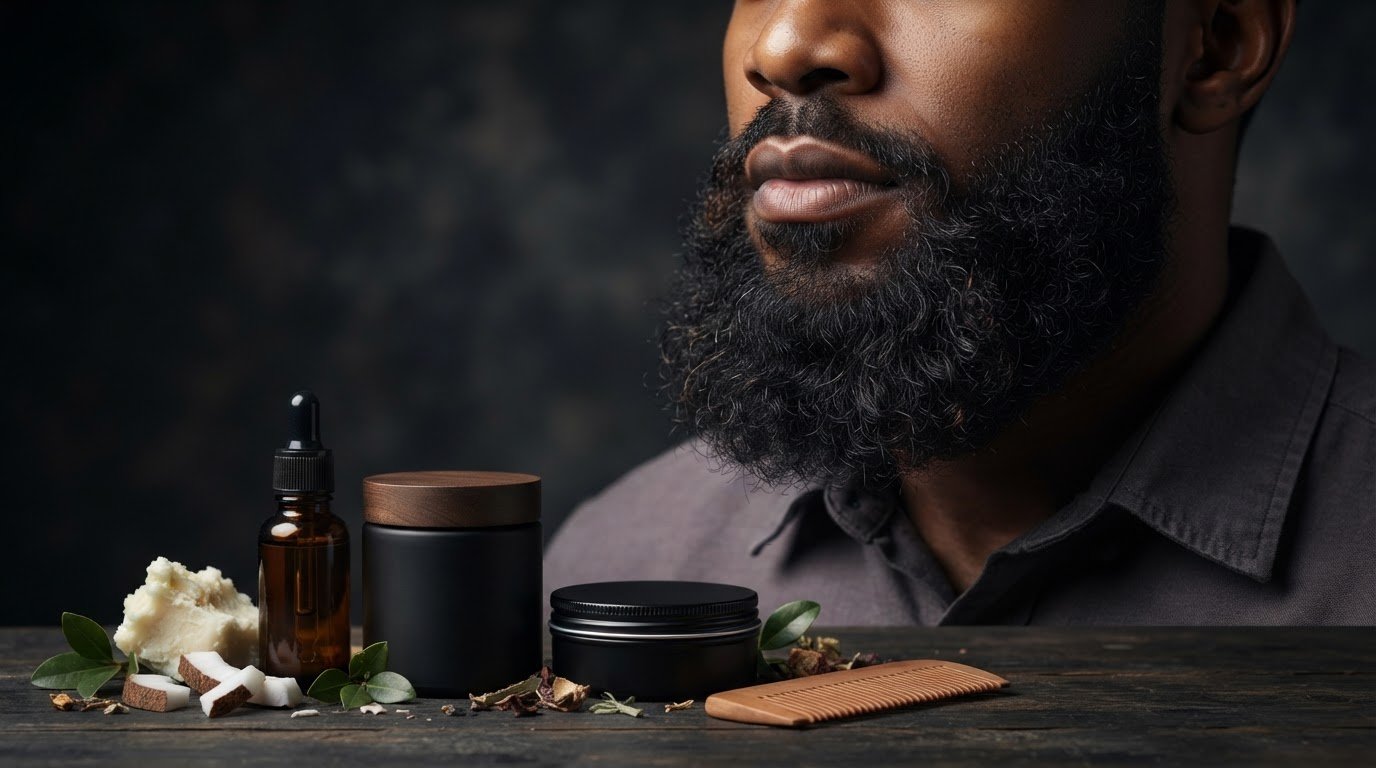
The softest beard product may not be the right replacement for your balm. If you’re exploring natural alternatives to beard balm, start with the job you need done: beard oil is a conditioning option with little styling control, while beard butter often feels richer but may not shape your beard like a wax-based balm. Choosing by purpose helps you avoid trading away the softness or wave definition you want.
A simpler routine can be appealing, especially if you’re trying to avoid beeswax or want your beard to feel comfortable without flattening its shape. But “natural” doesn’t tell you how much conditioning or control a product provides. Match the format to your goal, then keep your routine consistent while you assess how your beard responds.
This guide compares oils, butters, and balm by feel, conditioning, and hold, including the trade-offs of a beeswax-free approach. You’ll also learn how to test a new product and pair it with brushing and wrapping to support comfortable, well-maintained beard waves.
Key Takeaways
- Choose natural alternatives to beard balm by the job you need done, whether that’s conditioning, softening, or shaping.
- Compare oils, butters, and balm by their feel and likely styling control. A conditioning product may not shape your beard like balm.
- Read the product label and directions, start with a small amount, and avoid your eyes and broken or irritated skin.
- Assess how your beard feels and looks, then adjust your routine gradually instead of changing several things at once.
- Build your beard-wave routine around your goal, product choice, and the finish you want to maintain.
What Does Beard Balm Do, and Why Look for a Natural Alternative?
Beard balm is a leave-on grooming product commonly used to condition facial hair and provide some shaping. Formulas vary: some feel richer or offer more control, while others focus more on conditioning. Don’t assume every balm behaves the same, or that every alternative will work alike. First, identify what you rely on your balm to do.
You may want softer-feeling hair, less dryness, neater flyaways, or enough control to guide your beard into a preferred shape. These goals can overlap, but they aren’t identical. A product that leaves your beard feeling conditioned may not provide the styling control you expect. Conditioning changes how your beard feels; hold helps guide how it sits. That’s why oil or butter may be a satisfying replacement for one person but an incomplete swap for someone else.
Beard care can also be a personal ritual, tied to how you maintain and express your style. For broader context on the history and cultural significance of beards, consider how beard grooming has carried different meanings across cultures and time. For your own routine, let your priorities lead: decide which result matters most before choosing a format.
Which job are you asking your beard balm to do?
Name your priority: moisture, softness, manageability, or hold. One product may not deliver every effect equally, and the result depends on the formula and how you use it. If you switch from a firm styling feel to a lighter conditioning feel, expect a different finish. That may be a worthwhile trade if softness matters more than maintaining a precise shape.
- Moisture or softness: Consider a conditioning format, then assess how your beard feels after use.
- Manageability: Notice whether the product helps you work with flyaways as part of your grooming routine.
- Hold: Choose a format intended to shape, and don’t assume a conditioner will provide the same control.
What does “natural alternative” mean in beard care?
“Natural alternative” describes a preference for certain ingredients or product formats; it isn’t a standardized label for performance. A natural option isn’t guaranteed to suit your beard or skin, just as a synthetic ingredient isn’t automatically harmful. Read the full ingredient list and fragrance details, especially if you’re avoiding a particular ingredient or scent.
Formula, fragrance, and personal tolerance all matter. If a product doesn’t feel right for you, stop using it rather than assuming its natural label makes it suitable. Keep your decision practical: choose based on the job you need done, then assess the feel and finish. Comparing oils, butters, and other formats can help you understand what each may offer and where its styling limits may show.
Natural Beard Balm Alternatives: Oils, Butters, and Other Options
Compare formats by what they’re designed to do, not just by the ingredient that catches your eye. Beard oil is generally a lightweight conditioning format; beard butter tends to feel richer. Neither automatically provides the shaping behavior of a wax-based balm. The formula and amount you use affect the experience, so treat the table as a guide to likely roles, not a promise of results.
| Format | Likely role | Feel | Styling-control limitations |
|---|---|---|---|
| Beard oil | Conditioning | Often lighter and spreadable | Typically not designed to provide wax-like hold |
| Beard butter | Conditioning with a richer feel | Usually thicker than oil | May soften or coat without shaping firmly |
| Wax-based balm | Conditioning and shaping | Often denser than oil | Hold varies by formula; may feel too firm if you want a lighter finish |
| Ingredient-led options, such as batana butter or tallow | Depends on the product format and formula | Varies | The ingredient name alone doesn’t tell you how much control the finished product offers |
Can beard oil replace beard balm?
Oil may suit you if conditioning is your priority and you’re comfortable with less shape retention. It’s a different format from a wax-based balm: oil spreads as a liquid, while balm’s thicker structure may help guide hairs into place. Don’t expect oil alone to recreate a firmer styling feel. If you’re considering oil for beard waves, this beard oil guide for waves can help you think through its role in your routine.
When might beard butter or another ingredient appeal?
Beard butter is another conditioning format to consider if you prefer a richer feel than oil. That doesn’t make it universally better or a direct substitute for hold. Compare how each format feels in your beard and how much shaping you need. Beard oils and beard butters are useful routine options, but assess each formula on its own terms.
Batana butter and tallow are ingredient-led examples discussed in beard care, not product formats with guaranteed results. Batana is botanical; tallow is animal-derived. A finished product’s texture and styling behavior depend on its full formula, not just one featured ingredient. Ingredient preference, fragrance, and personal tolerance can all influence your choice. Review the label and scent details, then choose based on the feel and finish you want rather than assuming a “natural” ingredient will suit everyone.
Use the comparison as a starting point, then test one format at a time so you can tell what suits your beard. If you’re considering oil or butter, explore the beard oils and beard butters available as grooming categories.
Will a Natural Beard Balm Alternative Give You Enough Hold?
Not always. Oils and butters are generally chosen for conditioning, while balm may also help shape the beard. A conditioning alternative can leave your hair feeling different without reproducing the firmer styling feel you’re used to. That doesn’t mean the swap has failed. Judge it against your actual goal rather than expecting every format to do every job.
Conditioning and hold are different grooming goals. Your beard can feel softer and still need help staying in place. Product behavior varies by formula, so use these likely trade-offs as a starting point:
- Conditioning-focused oil: May suit a lighter-feeling routine, but usually isn’t intended to create wax-like hold.
- Richer-feeling butter: May appeal if you want a more substantial conditioning format, though that doesn’t guarantee firm shaping.
- Balm: May remain useful if shaping control is a priority; the amount of hold depends on the formula.
Choose based on softness, flyaways, or shape
If softness matters most, consider whether oil or butter better suits the finish you want. For flyaways, brush and groom your beard before adding more product. If you need stronger shaping, balm may still have a place in your routine. You don’t have to replace every product to make a more conditioning-focused choice; use the format that fits the task.
Make adjustments gradually. Apply products according to their directions, then check the result before adding more. Too much product can change the feel or finish, and layering several formats at once makes it harder to tell which one is helping. Let your beard’s appearance and feel guide your next move.
How beard waves change the product decision
Think about the wave pattern and finish you want to maintain. A softer, less structured look may call for a different product choice than a style that needs more control. But no product replaces consistent brushing and compression practices. Technique builds the routine; product supports it. For step-by-step wave-care instruction, use this complete beard-wave training guide as a companion.
Test your chosen format while keeping your brushing and compression habits consistent. Pay attention to whether the pattern stays manageable through your routine. If your beard feels conditioned but won’t hold its shape, decide whether a small amount of shaping product still serves a purpose. If the shape is steady but the finish feels heavier than you like, reconsider the format or amount. Aim for a routine you can repeat, not a one-time perfect result. Explore these beard-wave care resources as you refine the balance between conditioning and control.

How to Test a Natural Alternative in Your Beard Routine
Give a new product a controlled trial instead of changing your whole grooming setup at once. That makes it easier to tell whether the alternative suits your beard’s feel and styling needs. Follow these four steps and keep your usual brushing or shaping habits consistent while you assess the product.
- Check the label. Read the full ingredient list and fragrance details, and note any ingredients or scents you prefer to avoid. Follow the product’s directions, including where it should be applied. Keep it away from your eyes and don’t apply it to broken or irritated skin.
- Start with a small amount. Use less than you think you need, especially with a richer or unfamiliar formula. Beard length and density, along with the product’s consistency, affect how much feels comfortable. Add gradually only if needed.
- Assess the feel and finish. Notice whether your beard feels comfortable, overly coated, or harder to style. Consider both softness and manageability. A product can feel conditioning without providing the control you want, so judge it by the purpose you chose it for.
- Adjust one variable at a time. Keep other products and grooming habits steady while you test. If you change the product, amount, and brushing approach together, it’s harder to identify what affected the result. Make a small adjustment, then reassess.
How much should you start with?
Use the product’s directions as your guide and begin with a small amount. A shorter beard may need less than a longer or denser one, while a thicker product may spread differently from an oil. Work it through the beard as directed, check the finish, and add a little more only if the first application doesn’t meet your goal. Avoid coating the beard heavily at the outset.
What should you watch for during a trial?
Pay attention to comfort, residue, scent, and whether your beard remains manageable. No ingredient or product format suits every beard or skin. If irritation occurs, stop using the product. For symptoms that persist, seek medical advice. Don’t keep applying a product in the hope that your skin will adjust.
Use the same measured approach whether you’re exploring natural alternatives to beard balm or refining an existing routine. Keep notes on the product, amount, and finish if that helps you compare trials. Simple observations can reveal patterns without turning grooming into guesswork.
Ready to try a conditioning option? Explore beard oils and beard butters, then test your choice patiently and follow its directions.
Build a Beard-Wave Routine That Fits Your Natural Product Choice
Turn the comparison into a simple decision path: choose the result you want, select a product format, test it lightly, then reassess the finish. Natural alternatives to beard balm don’t need to replace every part of your grooming routine. They need to suit the role you’ve chosen for them and work alongside the habits that help maintain your beard waves.
Match your product format to your grooming goal
If conditioning is your main goal, beard oil is one format to explore. Beard butter offers a different, often richer-feeling texture, but neither format is automatically right for every beard. Let the product directions, your comfort, and the finish you prefer guide your decision. If balm’s shaping role still matters, keeping it in your routine is a practical option.
If you want to compare what balm may offer in styling and hold, this beard balm hold and styling guide provides a focused reference. Use it to clarify whether you’re trying to replace conditioning, shaping, or both. That distinction can help you choose a format without expecting one product to deliver every effect.
Keep the routine disciplined and adjustable
Consistency gives you a clearer read on your results. Keep your brushing and compression habits steady while introducing a product, and follow its directions. For example, if you’re testing oil or butter, avoid changing your brush technique at the same time. That makes it easier to judge the product’s feel and how your beard sits within the routine.
Track a few simple observations over several uses: whether your beard feels comfortable, how the finish looks, and whether the level of styling control works for you. If you adjust the amount or switch formats, make one change at a time. A small, deliberate adjustment is easier to evaluate than a full routine overhaul.
- Choose the goal: Decide whether conditioning, a particular feel, or shaping matters most.
- Select a format: Consider oil, butter, or balm in light of that goal.
- Test with care: Follow the label and begin with a small amount.
- Reassess the finish: Keep what works and adjust what doesn’t.
Beard-wave care comes from repeatable habits, not a single perfect product. Let your observations shape the routine, and give yourself room to refine it. To explore beard oils and butters as options for your routine, visit Wavy Beard Maven’s beard oils and butters.
Make Your Next Grooming Choice With Intention
Your next step doesn’t need to be a complete routine overhaul. Choose one goal, then give your current approach a fair, consistent trial. The best natural alternatives to beard balm for your beard are the ones that support the finish you want and feel comfortable as part of a routine you can maintain.
Keep learning as you refine your technique. Wavy Beard Maven’s beard-wave education can help you build consistency, while beard oils and butters give you formats to consider as you shape your routine. Let your own observations guide each adjustment, and give your beard care the same steady attention you bring to your style.
Explore beard oils and butters for your routine, then keep practicing with patience. Small, thoughtful choices add up. Stay consistent, trust your process, and keep refining your waves with confidence.
Frequently Asked Questions
Is beard butter a natural alternative to beard balm?
Beard butter is a different format that some people choose for its richer feel, while balm may better suit a routine that depends on shaping. “Natural” isn’t a standardized performance label or a guarantee that a product will suit you. Before switching, check the full ingredient list and fragrance details. Then consider the finish you want: a conditioning feel, a more guided shape, or a balance that may require keeping more than one format in your routine.
What can I use instead of beard balm if I want less hold?
A conditioning-focused beard oil or butter may be worth trying if you want less shaping control. The trade-off is that flyaways may be more noticeable or your styling may look less defined, particularly if you’re used to a firm finish. Try the product on a day when you can observe how it wears, and keep your usual brushing technique steady. That gives you a clearer comparison without changing several parts of your grooming approach at once.
Can I use a natural beard balm alternative every day?
Daily use depends on the product directions, your beard, and how your skin responds. Start conservatively instead of assuming oil or butter belongs in every day’s routine. Notice whether your beard feels comfortable or develops a coated feel, and adjust the frequency or amount accordingly. If irritation occurs, stop using the product. Seek medical advice if symptoms persist; a “natural” label alone doesn’t establish how often a product will suit you.
How do I know whether an ingredient in beard care is irritating my skin?
Review the full ingredient list and introduce one new product at a time so you can track what changes. Redness, itching, or discomfort may be a reason to stop using it, but those signs alone don’t identify the cause. Follow the product directions and avoid applying it to irritated or broken skin. If symptoms are severe or don’t go away, seek guidance from a qualified healthcare professional rather than continuing to test the product.
Should I apply beard oil or butter to a wet or dry beard?
Follow the product’s directions, since application guidance can vary by formula. The finish you prefer may also influence what feels right, so test a small amount under consistent conditions. For example, don’t compare one use on a damp beard with another on a dry beard and assume the product alone caused the difference. Keep your method steady during a trial, then adjust based on comfort and the finish you observe.