October 7, 2026
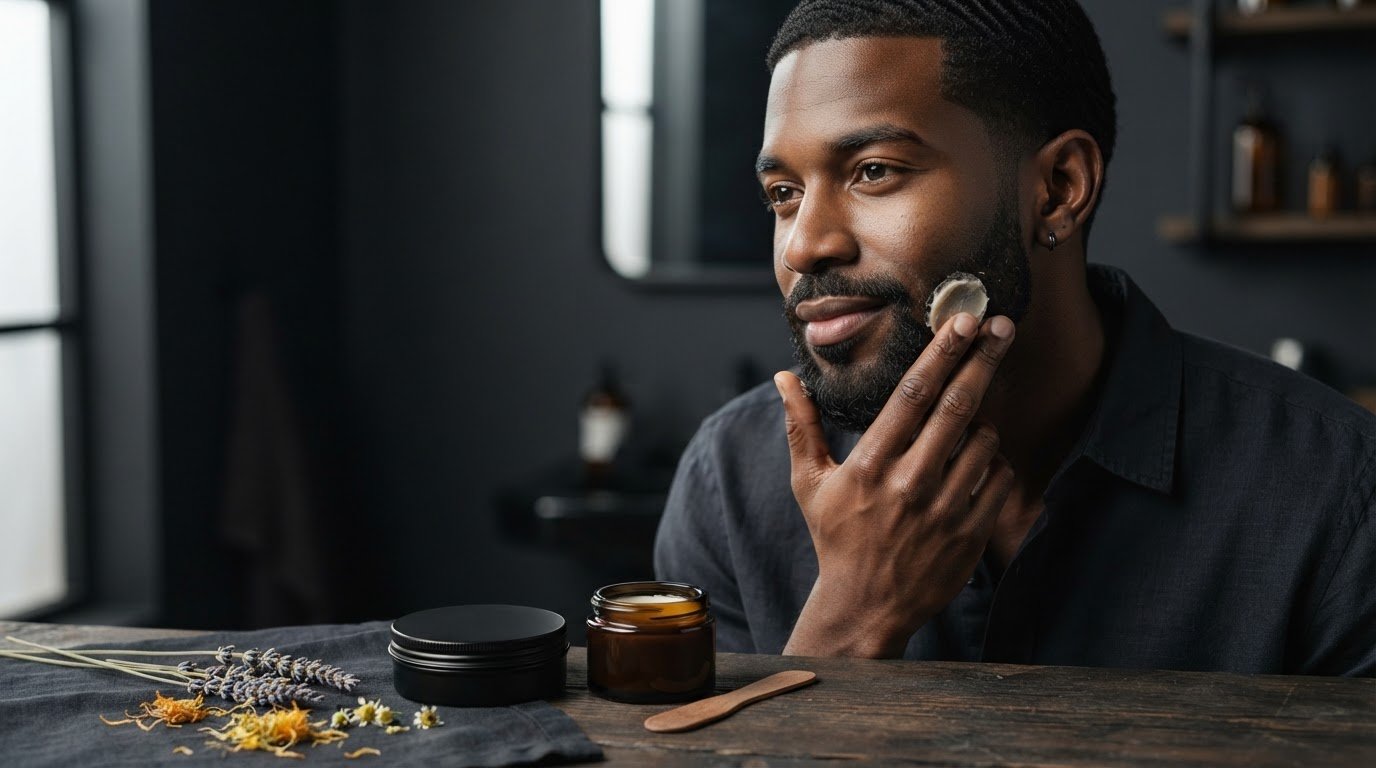
What if a balm labeled “unscented” still isn’t comfortable on your skin? If scented grooming products leave your face feeling irritated, looking for an unscented beard balm for sensitive skin makes sense. But “unscented” and “fragrance-free” don’t always tell the whole story: some products may use masking fragrance, and botanical ingredients can bother sensitive skin too. The label deserves a closer read.
This guide shows you how to compare fragrance claims, scan ingredient lists, and choose a balm based on more than scent alone. You’ll also learn how to test a new product cautiously and apply a small amount without weighing down your beard or disrupting its wave definition. Keep the process simple: change one product at a time, follow its directions, and notice how your skin and beard feel.
Key Takeaways
- Choose unscented beard balm for sensitive skin by looking beyond the front-label claim and reviewing the full ingredient list.
- Don’t assume “natural” or plant-derived ingredients will suit your skin; your own comfort matters more than marketing language.
- Compare balm, oil, and butter by texture, styling support, and how you prefer to work product through your beard.
- Follow the product directions, start with a small amount, and avoid adding more than your beard needs.
- Treat balm as one optional part of a consistent routine, and seek professional advice if irritation persists.
Why Choose Unscented Beard Balm for Sensitive Skin?
A beard balm can help soften facial hair and support its shape, but its scent and how your skin responds are separate questions. You may prefer grooming products that don’t compete with cologne or linger through the day. Or you may notice discomfort after using certain products. An unscented label can narrow your search, but it can’t predict how your skin will respond.
Quotable definition: Unscented beard balm is a grooming balm marketed as having no noticeable added scent; the claim describes its scent profile, not a guarantee of personal skin tolerance.
What does unscented beard balm mean?
“Unscented” and “fragrance-free” are often used to communicate different ideas. In common use, fragrance-free suggests that fragrance ingredients haven’t been added, while unscented may mean a product has little noticeable scent or uses ingredients to mask an odor. In the United States, these cosmetic label terms don’t have federal definitions, so the wording alone can’t confirm exactly what’s in a balm.
Read the complete ingredient list, not just the front label. Look for terms such as “fragrance,” “parfum,” or named essential oils. A label claim doesn’t establish that a product is irritation-free or hypoallergenic. If you’re comparing balm with other beard-care formats, this overview explains how beard oil can moisturize beard hair and help limit brittleness; it’s a different format, so assess its ingredients separately.
Why can beard products bother sensitive skin?
Skin may feel itchy, tight, or uncomfortable after contact with an ingredient it doesn’t tolerate. Fragrance components, including some essential oils, can be a concern for some people, but “natural” or plant-derived doesn’t automatically mean suitable for every skin type. An ingredient list helps you identify what’s present; it can’t diagnose the cause of a reaction.
Separate skin feedback from grooming preference. Disliking a scent is not the same as a skin reaction, and a balm that feels heavy or leaves residue may be uncomfortable without causing irritation. Notice when discomfort starts and which products you’ve used, but don’t assume the cause from one symptom alone. Stop using a product that seems to trigger a reaction, and seek medical advice for symptoms that are persistent, severe, or recurring.
Choosing an unscented beard balm for sensitive skin is a sensible starting point if you want less noticeable scent. Make the decision with the ingredient list and your own experience in view. Treat the claim as useful information, not a promise. That distinction helps you choose a balm that fits both your grooming preferences and your comfort.
How to Read Unscented Beard Balm Labels and Ingredients
Read the label in a set order instead of relying on a single reassuring phrase. Start with the scent claim, move to the complete ingredient list, then check the directions for how and where to apply the balm. Each part answers a different question: what the product claims about scent, what it contains, and how it’s intended to be used.
A label can describe a product, but it can’t predict every individual reaction. Treat the wording as a starting point. Compare the ingredients with what you already know about your skin and grooming preferences.
Fragrance-free, unscented, and scent-masked claims
These terms can suggest different things in everyday product language. “Fragrance-free” generally indicates that fragrance wasn’t added, while “unscented” may describe a product with little noticeable scent, including one where an odor is masked. In the United States, federal standards don’t define these cosmetic claims, so don’t treat either phrase as a medical safety guarantee. Check the full ingredient list.
Which ingredient details deserve a closer look?
Scan for terms such as “fragrance,” “parfum,” and named essential oils. Their presence doesn’t mean an ingredient will bother everyone, and their absence doesn’t guarantee that a balm will suit you. Pay attention to your own history: if you already avoid a particular ingredient, check whether it appears before using the product. “Natural” or “plant-derived” describes an ingredient’s origin, not how your skin will respond.
- Scent claim: Note whether the label says unscented or fragrance-free, and regard it as a description, not a promise.
- Full ingredient list: Look for fragrance-related terms and ingredients you personally avoid. Don’t decide from the front label alone.
- Directions: Check how much to apply, where to apply it, and whether the maker gives other use guidance. Follow those instructions.
Keep your review practical. If an ingredient name is unfamiliar, don’t assume it’s harmful or beneficial based on its name alone. Use the list to compare products consistently and avoid ingredients you already know you don’t tolerate. If the ingredient information is unclear to you, choose a product whose labeling you can understand rather than relying on broad claims.
Use this process to narrow down an unscented beard balm for sensitive skin without expecting any label to make the decision for you. A careful read supports a more deliberate routine, especially when you’re working to maintain beard texture and wave definition without applying more product than needed. For more routine guidance, explore these beard-wave grooming resources.
Unscented Beard Balm Compared With Oils and Butters
Choose a beard-care format by how you want it to feel and what you want it to do. Balm, oil, and butter can all be part of beard maintenance, but they differ in texture and styling role. Formulas vary, so use these comparisons as a starting point, then assess each product’s directions and ingredients separately. No format is universally gentler or safer for sensitive skin.
| Format | Typical texture | Common routine role | May suit you if you prefer |
|---|---|---|---|
| Beard balm | Thicker or more solid | A grooming step that may add structure and help shape beard hair | Working a product through the beard while styling |
| Beard oil | Fluid and spreadable | A lightweight-feeling product applied through beard hair | A liquid format you can distribute with your hands or grooming tools |
| Beard butter | Creamy or soft | A conditioning-style step, depending on the product | A softer texture that you can warm and work through the beard |
When might balm suit a beard-care routine?
Consider balm if you want a more structured grooming step that pairs styling with shaping. Its thicker texture may feel easier to work through the beard while arranging hairs, but the amount of hold and finish depends on the formula. If you’re refining waves, start with the styling result you want rather than assuming a balm will provide a particular level of control. A guide to beard balm hold and styling can help you explore shaping techniques in more depth.
Keep that styling choice separate from skin suitability. A balm’s texture or hold doesn’t tell you whether its ingredients will agree with your skin. Review the label and directions, and use your own experience to guide your choice.
When might oil or butter fit better?
Oil may appeal if you prefer a liquid product that spreads through the beard, while butter may suit you if you’d rather warm a softer, cream-like texture between your hands. These are general format differences, not guarantees about how a product will feel on your beard. The finish, spread, and styling support can vary from one formula to another.
Think through your routine: Do you want a shaping step, a fluid application, or a softer product to work through the hair? A beard oil and wave-care guide can offer more context on using oil in that routine. Whichever format you choose, unscented beard balm for sensitive skin isn’t automatically a better fit just because it’s a balm. Compare scent claims, ingredient lists, texture, and styling needs as separate factors.

How to Test and Apply Beard Balm With Care
A careful first use has two goals: notice how your skin responds and learn how the balm behaves in your beard. Follow the product directions from the start. If the instructions allow a small-area test, try a little on a discreet patch of skin before using it across your beard. This can help you notice a response, but it can’t guarantee you won’t react later or with repeated use.
A careful first-use routine
Before applying, check the directions and make sure the skin you plan to use the balm on isn’t irritated or broken. Begin with a small amount on clean, dry or towel-dried beard hair, depending on the product instructions. Use less than you think you need; assess the feel before adding more, and only do so if the directions allow and your beard needs it.
Pay attention to comfort after application, without trying to diagnose what a sensation means. If discomfort develops, stop using the balm. Seek professional medical advice if irritation is persistent, severe, or recurring. A cautious first application is a useful check, not a substitute for professional guidance.
Keep balm from weighing down beard waves
For a controlled finish, warm a modest amount between your palms, then distribute it through the beard with a light touch. Work through the hair rather than loading product onto one spot. A beard brush can help spread balm more evenly and guide the wave pattern, but use gentle strokes instead of aggressive brushing. Too much product may leave hair feeling coated or make definition harder to maintain.
- Read first: Follow the product’s directions for application and use.
- Start light: Apply a small amount, then assess the feel before considering more.
- Watch your skin: Stop if discomfort develops, and seek professional advice for ongoing or serious symptoms.
- Keep your shape: Distribute balm gently and brush with control to avoid disrupting your beard’s texture.
Think of unscented beard balm for sensitive skin as one possible part of a steady routine, not a guaranteed fix for discomfort. If you’re building a broader beard-wave practice, Wavy Beard Maven’s grooming resources can help you plan how product use fits with training and maintenance. Keep the first application simple, observe how your beard and skin feel, and adjust your routine with care.
Explore beard-wave grooming resources to keep refining your routine and maintain definition with a deliberate, light-handed approach.
Build a Sensitive-Skin Beard Routine With Confidence
A steady routine is easier to assess than a cabinet full of new products. Start with what you’ve learned: read scent claims as descriptions, check the complete ingredient list, and compare balm, oil, or butter according to the texture and styling support you prefer. Then introduce one new product at a time, following its directions and keeping the rest of your grooming habits consistent.
That approach won’t guarantee irritation-free results, and beard balm isn’t a treatment or a universal solution. It’s one optional grooming tool. The aim is to make informed choices, notice what feels comfortable for you, and maintain your beard without changing several things at once.
A simple routine that prioritizes comfort
Keep your regular cleansing and grooming steps stable while you introduce a new balm. Avoid changing your cleanser, oil, and styling product in the same stretch of time; otherwise, it may be harder to tell which change happened alongside a change in comfort. Follow the balm’s directions, start with a small amount, and stop using it if discomfort develops.
A simple note can help you stay consistent. Record the product, when you used it, and any change you noticed in comfort or beard feel. This isn’t a way to diagnose a skin condition, but it can give you a clearer account to discuss with a health professional if symptoms persist, recur, or feel severe. For broader beard-wave training and maintenance, use Wavy Beard Maven’s beard-wave routine guidance alongside your product choices.
Choose your next beard-care step
Choose by purpose and preference. Balm may fit a routine where you want a more structured grooming step and support arranging beard hairs. Oil may feel more convenient if you prefer a fluid product, while butter may suit you if you like a softer texture. Those differences describe format and use, not which option is safest for sensitive skin. Check each product’s own label and directions.
If wave definition matters, keep application light and deliberate. Use only what you need to work through the beard, then assess the finish before adding more. A consistent hand can help you maintain texture without letting product choice take over the whole routine. Remember, the phrase unscented beard balm for sensitive skin doesn’t replace careful label reading or your own observations.
There’s no need to rebuild your routine in one day. Make one considered choice, give yourself time to observe how it fits, and adjust with care. Explore Wavy Beard Maven’s beard-care products, including beard oils, butters, balms, brushes, and wraps, to find formats that match your grooming habits. Keep it simple, stay attentive, and build a routine that works for you.
Make Your Next Grooming Choice Deliberate
Let comfort guide your next step, not pressure to overhaul your routine. Choose one adjustment that fits your beard goals, then give yourself room to learn how it works for you. Well-maintained waves come from steady attention and technique, not from piling on products. Focus on a routine you can repeat with confidence.
If you’re ready to explore unscented beard balm for sensitive skin, use what you’ve learned to make a considered choice and keep your expectations personal. Wavy Beard Maven pairs beard-care products with educational resources for training and maintaining wavy beard styles, so you can connect product choices with the way you care for your beard.
Explore Wavy Beard Maven’s beard-care products and grooming resources to build your routine, then keep refining your approach one thoughtful step at a time. Your routine should work for you, and consistency is how you make it your own.
Frequently Asked Questions
Is unscented beard balm better for sensitive skin?
It may be a useful choice if you prefer to avoid a noticeable added scent, but “unscented” doesn’t guarantee better tolerance. Skin comfort depends on the whole product and your individual response, not just its scent. If you’re considering unscented beard balm for sensitive skin, compare the ingredient list with products you’ve tolerated before, and introduce the balm cautiously rather than assuming the label makes it suitable.
What is the difference between fragrance-free and unscented beard balm?
Fragrance-free usually suggests that fragrance hasn’t been added, while unscented may describe a product with little noticeable odor, sometimes because an odor is masked. In the United States, federal cosmetic standards don’t define these claims, so wording can’t tell you everything about a balm’s contents. Check the full ingredient list, including fragrance-related terms, instead of relying only on the front label.
Can unscented beard balm still irritate your skin?
Yes. A balm can cause discomfort even if it has no noticeable scent, since a person may react to ingredients unrelated to fragrance. Skin can also feel uncomfortable if product buildup or application doesn’t suit your routine. Stop using a balm if you notice a concerning reaction, and seek medical advice if symptoms are severe, recurring, or persistent. Don’t try to identify a medical cause by testing more products on irritated skin.
How do you test beard balm if you have sensitive skin?
Follow the product’s directions for testing and begin with a small amount on a small area of skin, if those directions allow. Avoid testing on broken or already irritated skin. Notice how the area feels and looks, but remember that a small-area test can’t guarantee future tolerance, especially with repeated use or application elsewhere. If you’ve had serious reactions to grooming products, seek professional medical guidance before trying another.
Can I use beard balm every day if my skin is sensitive?
Possibly, if the product directions allow frequent use and your skin remains comfortable, but daily application isn’t necessary for everyone. Start with less frequent use, such as on days you want extra shaping, and pay attention to whether your skin feels different afterward. If discomfort appears, stop using the balm rather than pushing through it. Persistent or recurring symptoms warrant advice from a healthcare professional.
Should I use beard oil or balm for sensitive skin?
Choose based on the format and grooming result you prefer, not on an assumption that oil or balm is automatically gentler. Oil is liquid and may suit someone who prefers a fluid application; balm is typically thicker and may fit a styling-focused routine. Either format can contain ingredients an individual doesn’t tolerate. Review each product’s label and directions separately, and introduce only one new grooming product at a time.