September 3, 2026
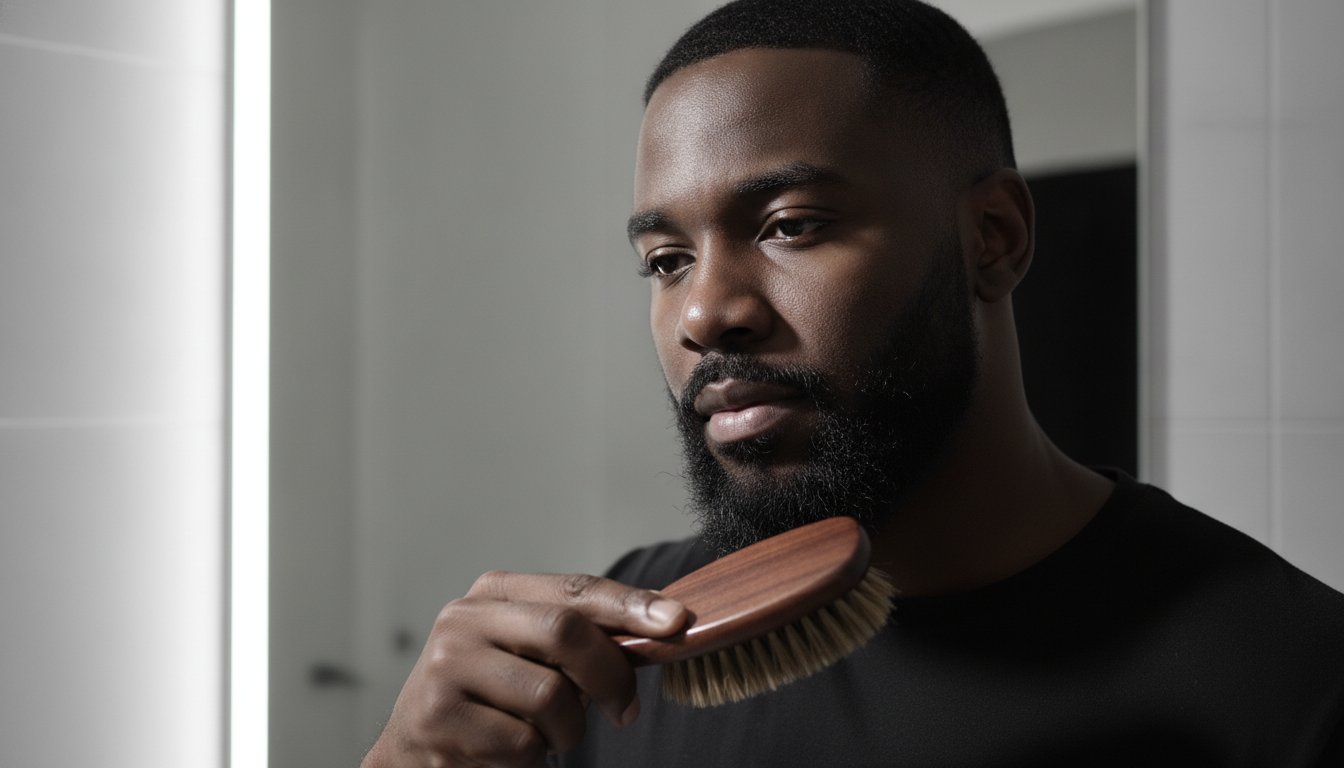
A deep, rippling beard wave pattern isn’t a gift of genetics; it’s a trophy earned through daily discipline and precision. Most men settle for a frizzy, undefined texture because they’ve been fed conflicting advice about brushing versus combing. You know the frustration of looking in the mirror and seeing a chaotic mess instead of the organized, flowing masterpiece you envisioned. It’s time to stop guessing and start training. If you want to learn how to start beard waves, you must first commit to a systematic approach that treats grooming as a cultural craft rather than a chore.
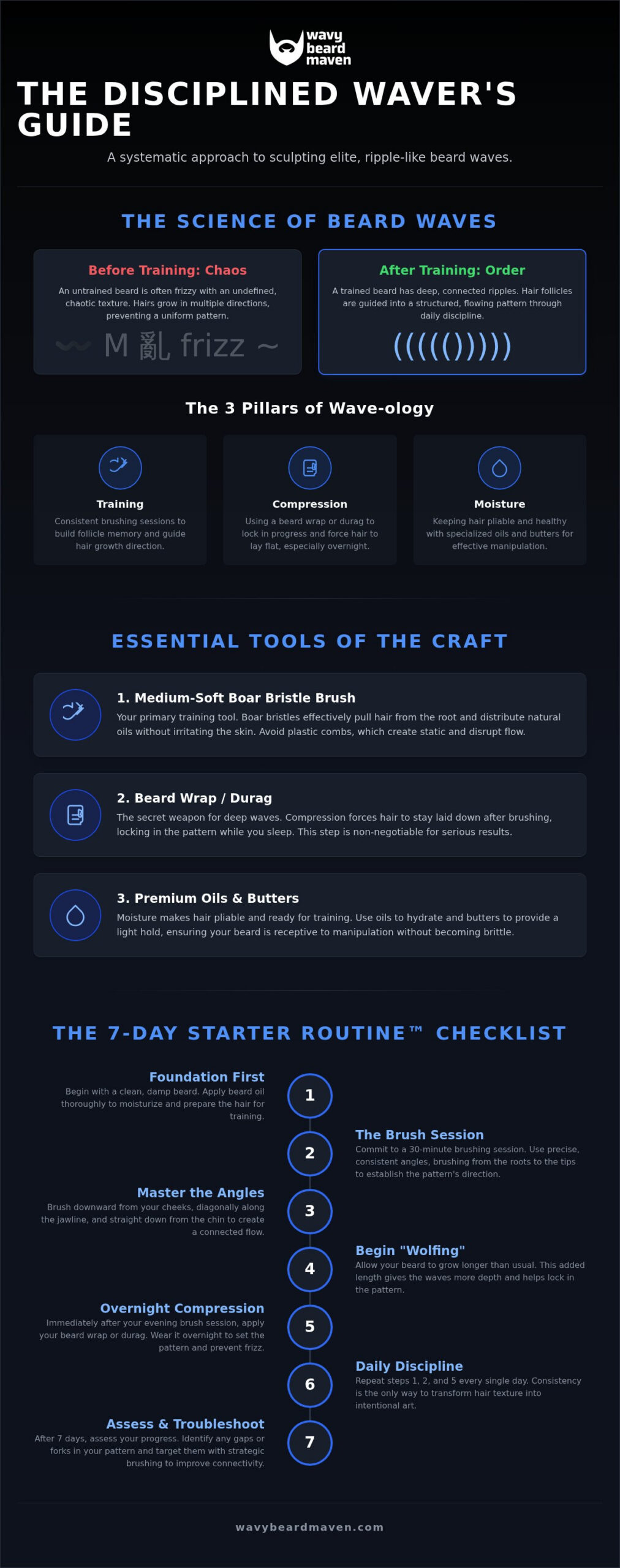
We’re going to master the fundamentals of wave-ology to help you achieve that elite, ripple-like pattern. You’ll learn how to use specialized tools like boar bristle brushes and compression wraps to guide your hair into a structured flow. This guide provides a clear roadmap to improved beard softness and structural order. We’ll break down the essential role of oils and butters, while introducing the 7-Day Beard Wave Starter Routine™ Checklist. By the end of this journey, you won’t just have a better beard; you’ll have earned your place in a community of disciplined wavers who value excellence above all else.
Key Takeaways
- Understand that deep waves are a trained growth pattern you earn through consistency and a deep understanding of your hair’s natural texture.
- Master the foundational tools of the craft by utilizing medium-soft boar bristle brushes and premium beard oils to prepare your facial hair for training.
- Discover how to start beard waves using precise brushing angles and the wolfing method to maximize your pattern’s depth and flow.
- Follow the 7-Day Beard Wave Starter Routine™ Checklist to integrate daily brush sessions and overnight compression into your lifestyle.
- Learn professional troubleshooting tips to fix gaps in your pattern and maintain connectivity through strategic, wave-friendly grooming.
Understanding the Science of Beard Waves
What exactly is a beard wave? It isn’t just a curly beard; it’s a masterpiece of precision and a trained growth pattern where hair is forced to lay flat and connect in uniform, parallel rows. This aesthetic mimics the rhythmic, deep ripples found in water. To understand how to start beard waves, you must recognize that your hair texture dictates your potential. Curly and coily textures are the gold standard for this style. The tighter the curl, the easier it is to stack those curls into a visible, flowing pattern. Understanding the science is the first step in learning how to start beard waves with confidence.
Training is the core concept here. You’re not just letting hair grow; you’re using mechanical force and moisture to redirect it. This transition from a standard, wild beard to an elite wavy pattern requires patience. It’s about moving from chaos to order. You are essentially building muscle memory in your hair follicles. Every brush stroke reinforces the direction you want the hair to go. Over time, the hair stops fighting you and begins to lay in the desired ripple. It’s a journey of transforming natural texture into intentional art.
The Mechanics of Pattern Connectivity
Why does the pattern hold once it’s established? It comes down to the alignment of hair cuticles. Consistent brushing with a medium-soft boar bristle brush smooths these cuticles down in one direction. This is the heart of wave-ology, the specialized study of pattern development. Your hair becomes pliable when it’s saturated with moisture and natural sebum. Without this hydration, the hair is too brittle to be manipulated. By mimicking the foundational 360 waves technique used for scalp hair, you can force the beard to adopt a similar, connected structure. The brush pulls the hair from the root, stretching the curl into a wave.
Why Traditional Grooming Isn’t Enough
Most men think washing and a quick comb is enough. It isn’t. Standard grooming focuses on cleanliness, but wave training focuses on compression and follicle memory. You are asking your hair to do something unnatural: stay flat and uniform. This is why learning the specific steps of how to get beard waves is a total lifestyle shift. It involves a commitment to a specific routine:
- Consistent 30-minute brush sessions to build pattern memory.
- Strategic use of beard wraps for overnight compression.
- Maintaining a precise moisture balance using specialized oils and butters.
The ultimate goal is a set of deep, consistent ripples that flow across the jawline without breaks or forks. It’s a visual representation of your daily discipline. You aren’t just growing a beard; you’re sculpting one through persistence.
Essential Tools to Start Your Beard Wave Journey
Discipline requires the right equipment. You can’t sculpt a masterpiece with inferior tools. A medium-soft boar bristle brush is your primary instrument. It’s designed to pull the hair without irritating the skin, which is crucial when you’re learning how to start beard waves. Unlike synthetic bristles, boar hair distributes natural oils effectively, ensuring every strand is coated and ready for training. High-quality brushes typically range from 10 to 20 dollars, and investing in a professional-grade option ensures the bristles won’t shed during intense sessions.
Compression is the secret weapon that most beginners overlook. A beard wrap or durag isn’t optional; it’s the primary tool for locking in your progress. After a brush session, your hair wants to spring back into its natural, chaotic state. The wrap forces it to stay laid, reinforcing the pattern while you sleep or go about your day. This pressure is what transforms a simple brushed beard into a series of deep, connected ripples. Without consistent compression, you’re just brushing for no reason.
Choosing the Right Brush for Your Stage
Your brush choice must evolve with your beard length. Soft brushes are perfect for fresh cuts or laying down stray frizz. As your beard gains length during the wolfing cycle, move to a medium brush. These have the firm tension needed to reach the skin and align the roots. Avoid plastic combs entirely during this initial phase. They create static and disrupt the uniform flow you’re trying to build. Instead, rely on the natural pull of boar bristles to guide your texture into place. To ensure you have every tool ready for your transformation, download our 7-Day Beard Wave Starter Routine™ Checklist today.
Moisture and Hold: Oils vs. Butters
Pliable hair is successful hair. You must prioritize dermatologist-approved beard care to keep the skin beneath the waves healthy and itch-free. Using beard oil for waves provides the essential hydration that softens coarse textures. While oil handles the health of the follicle, beard butter provides the structural hold. It acts as a sealant, trapping moisture and keeping the pattern in place throughout the day. Think of oil as the foundation and butter as the finishing polish that defines every ripple.
Consistency in product application is just as vital as brushing. Apply your oil first to reach the skin, then follow up with butter to coat the hair shafts. This layering technique ensures your beard stays soft, healthy, and perfectly trained. Remember, a dry beard is a resistant beard. Keep your hair hydrated to make the training process smoother and more effective.
Mastering the Brushing Technique and Wolfing Cycle
Brushing is the engine that drives your progress. It’s a calculated mechanical intervention that forces your hair follicles to submit to a specific direction. If you want to know how to start beard waves effectively, you must commit to at least 15 to 30 minutes of focused brushing every single day. Consistency is the only way to build the muscle memory required for a deep pattern. You’ll find that mirror brushing is essential for perfecting your angles and ensuring total coverage. However, supplemental “blind brushing” while you’re watching a game or relaxing helps reinforce the pattern through sheer repetition. By feeling the grain of the hair without a mirror, you develop an intuitive sense of where your waves are connecting and where they’re breaking.
The 4-Angle Beard Brushing Method
Precision requires a systematic approach. Start at your sideburns and brush straight down toward the jawline. Once you reach the mid-cheek, transition to a diagonal stroke that follows the natural contour of your face toward the chin. This diagonal movement is what creates the “flow” that distinguishes elite wavers. Don’t ignore the mustache transition; brush the hair away from the lip and into the cheek pattern to ensure a seamless connection. You must maintain consistent, firm pressure to reach the “undergrowth” near the skin. If you only brush the surface, your waves will be shallow and easily disrupted. Use your medium-soft boar bristle brush to ensure you’re pulling the hair from the root without causing irritation.
The Science of the Wolfing Cycle
Wolfing is the period of intentional overgrowth that separates the casual groomer from the master practitioner. It typically lasts between 4 and 8 weeks. During this phase, you refrain from trimming the bulk of your beard. The added length provides the necessary weight to help your waves lay deeper and more securely against the skin. It’s during wolfing that your connectivity truly solidifies. This is often the most challenging stage of how to start beard waves because the hair can become unruly and itchy. To manage “the wolfing itch,” increase your application of Beard Oils to keep the skin hydrated. This extra moisture ensures the hair remains pliable under the weight of the growth. Once you’ve completed a wolfing cycle, a professional, wave-friendly trim will reveal the deep, structured ripples you’ve been working to build.
Your First 7 Days: The Disciplined Starter Routine
The first week is where most men fail. It is the critical period where you transition from passive growth to active training. Learning how to start beard waves requires more than just a brush; it requires a rigid schedule that treats grooming as a daily ritual. During these first seven days, you are building the foundation of follicle memory. You are teaching your hair to lay down and connect. If you skip a session now, you reset your progress to zero. Stay committed to the process to see the first signs of ripple development by day seven. To set realistic expectations for what comes after this initial week, review the detailed how long does it take to get beard waves timeline so you know exactly what milestones to anticipate in the weeks ahead.
- Day 1-2: Foundations. Start with a clean, hydrated beard. Wash your facial hair with a mild cleanser, apply 3 to 5 drops of Beard Oil, and commit to your first 30-minute brush session. You are waking up the follicles and establishing the grain.
- Day 3-4: Texture Management. This is when you introduce Beard Butter into the routine. The butter provides the necessary hold that oil lacks. Begin your overnight compression ritual using a Beard Wrap to lock in the progress from your evening brush session.
- Day 5-6: Pattern Recognition. Closely examine your beard in the mirror. You will start to see faint, organized lines forming. Adjust your brushing angles to follow these natural ripples, ensuring you aren’t fighting the hair’s natural flow.
- Day 7: Assessment. Perform your first “wash and style.” Wash the beard, apply your products while the hair is damp, brush it into place for 20 minutes, and compress. Once dry, remove the wrap to reveal your early progress.
Daily Morning Discipline
Success starts the moment you wake up. Apply 3 to 5 drops of Beard Oil to a damp beard immediately after your morning shower. This locks in the moisture needed to keep the hair pliable for the day ahead. Follow this with a focused 10-minute brush session to set the pattern and eliminate any bedhead frizz. Finally, apply a light layer of Beard Balm or Butter for all-day protection and hold. To stay on track with these steps, download our 7-Day Beard Wave Starter Routine™ Checklist and check off every session.
The Nightly Compression Ritual
Sleeping without a Beard Wrap is the fastest way to lose your progress. While you sleep, your face rubs against the pillow, disrupting the pattern you spent all day building. This friction is the primary cause of “forks” and frizz. Before bed, apply a generous amount of Beard Butter to deep-condition the hair under pressure. Secure your beard durag or wrap firmly, ensuring maximum compression without causing discomfort or restricting blood flow. This nightly ritual ensures that every hour of sleep is also an hour of training, forcing the hair to remain flat and connected until morning.
Maintaining Connectivity and Troubleshooting Gaps
Achieving your initial pattern is a major milestone, but the true test of a master waver is maintaining connectivity. Forks are the enemy of an elite flow. These are breaks in the pattern where your waves fail to align, creating a jagged, disconnected look that disrupts the fluidity of your beard. When you learn how to start beard waves, you must also learn how to defend them. Connectivity requires a high degree of discipline and a refusal to take shortcuts. If you notice a fork developing, it’s a signal that your brushing angles have become inconsistent. You must correct your form immediately to ensure the ripples remain deep and parallel across your entire jawline.
Tracking your progress is essential for long-term success. Capture weekly photos in the same lighting to objectively analyze your pattern development. These visual markers allow you to see where your waves are strongest and where they need more work. Beyond individual effort, personal grooming is a path toward broader confidence when shared with others. Join the Wavy Beard Maven community to connect with fellow practitioners. Peer support and collective wisdom are invaluable as you refine your technique and transition from a beginner to a specialist in wave-ology.
Trimming Without Losing Your Flow
The most dangerous moment for your pattern is the trim. One wrong move with the clippers can reset weeks of wolfing progress. You must understand how to trim your beard without losing waves to maintain your hard-earned depth. Focus only on the stray hairs that sit on the surface of the pattern. Use the “guard method” with a high-numbered guard to ensure you aren’t cutting into the heart of the wave. This preserves the weight of the hair while keeping the silhouette sharp. A professional, wave-friendly trim should only enhance the definition, never diminish the ripples you’ve built.
Troubleshooting Common Wave Breaks
Most men struggle with “weak sides” where the pattern is less defined. If one side of your face isn’t connecting, double your brush strokes in that specific area. Execute an extra 15 minutes of localized brushing to force those stubborn follicles into submission. Patches or gaps are often caused by poor hydration or lack of stimulation. Prioritize localized application of Beard Oils to the skin beneath the patch and use a soft brush to gently stimulate blood flow. Remember, consistency is the foundation of the craft. Missing just one day of your routine can set your progress back by three days. There are no luck-based results here; every ripple is earned through persistence. If you find yourself frustrated and asking why won’t my beard wave up despite consistent effort, it may be time to examine the common technique myths that are silently sabotaging your pattern. If you stay committed to the fundamentals of how to start beard waves, your pattern will eventually reach a state of flawless connectivity.
Own Your Texture and Master the Ripple
Transforming your facial hair into a structured masterpiece is a journey of persistence and specialized knowledge. You’ve learned that deep, connected ripples require the right tools, from boar bristle brushes to dedicated compression wraps. By mastering the 4-angle brushing method and respecting the wolfing cycle, you move beyond basic grooming into the realm of true wave-ology. This guide has provided the blueprint for how to start beard waves, but the aesthetic results depend entirely on your daily discipline.
Don’t leave your progress to chance. Join thousands of men in the Wavy Beard Maven movement and master the technique with our 2026 Elite Grooming Kits. The first week is the hardest, which is why you need a proven roadmap to keep you on track. Download the 7-Day Beard Wave Starter Routine™ Checklist today to begin your transformation with total clarity. Every brush stroke brings you closer to a flawless pattern. Stay consistent, stay disciplined, and wear your waves with pride.
Frequently Asked Questions
How long does it take to see beard waves?
You can expect to see early pattern definitions within 4 to 6 weeks of dedicated training. This timeline varies based on your hair texture and how strictly you follow your brushing routine. Most beginners notice a shift in texture by day seven, but deep ripples require a full wolfing cycle to solidify. Learning how to start beard waves takes patience. Stay committed to the daily grind to see your progress manifest. Consistency is your best friend here. For a detailed week-by-week breakdown of what to expect, explore our complete guide on how long does it take to get beard waves based on your specific hair texture and commitment level.
Can any beard texture get waves?
Waves are most prominent in curly and coily hair textures because the pattern relies on stacking natural curls. If your facial hair is naturally straight, you won’t be able to achieve the ripple effect regardless of how much you brush. The hair must have enough natural snap to lay flat and connect. Understanding your specific texture is a foundational step in learning how to start beard waves effectively. Focus on moisture to keep your curls pliable.
Do I really need a durag for my beard?
Yes, a specialized Beard Wrap is essential for maintaining your progress. Brushing trains the hair, but compression locks it into place while you sleep or go about your day. Without a wrap, your hair will naturally spring back into a frizzy, undefined state. Think of it as a mold for your waves. It protects the pattern from friction against pillows and ensures your beard stays flat and connected for that elite, deep ripple look you’ve earned.
What is the best brush for a beginner waver?
A medium-soft boar bristle brush is the gold standard for anyone starting their journey. This specific tool provides enough tension to pull the hair from the root without irritating the sensitive skin on your face. Unlike synthetic brushes, natural boar bristles distribute your natural oils and Beard Oils evenly across the hair shaft. This ensures every strand is hydrated and ready to be trained. As your beard grows longer, you may transition to a firmer brush for deeper reach.
How often should I wash my wavy beard?
You should wash your beard 2 to 3 times per week using a mild cleanser. Over-washing strips away the natural sebum and Beard Oils that make your hair pliable for training. When you do wash, always follow up with a wash and style session. This involves applying products while the hair is damp and brushing it immediately into place. This process helps reset the pattern and ensures your waves remain clean, soft, and perfectly defined throughout the week.
Why is my beard waving on one side but not the other?
This common issue usually stems from uneven brushing or sleeping on one side of your face. Most men have a dominant side that they brush more effectively or more often. To fix this, you must double your brush strokes on the weak side to force those follicles into submission. Ensure you are using the same angles and pressure on both sides. Additionally, always wear a Beard Wrap at night to protect both sides from pillow friction and lost progress.
What is the difference between scalp waves and beard waves?
While the foundational technique is similar, beard waves require more delicate care due to facial skin sensitivity. The hair on your jawline often grows in multiple directions, making pattern connectivity more challenging than on the scalp. You also have to manage the transition from the mustache to the cheeks. Beard waves rely heavily on the use of Beard Butters and Oils to manage the coarser texture of facial hair compared to the softer hair on your head.
Can I use hair grease for beard waves?
You should avoid heavy hair greases because they can clog facial pores and lead to breakouts. Instead, utilize specialized Beard Butters and Balms designed for facial hair. These products provide the necessary hold for wave training while remaining breathable for your skin. They contain ingredients that soften coarse hair without the greasy buildup of traditional scalp products. Prioritizing beard-specific formulas ensures your pattern remains healthy, defined, and free from irritation throughout your training journey.